Special Web Offer - Get 50% OFF!
Grab Your Deal Now
PlantSnap
Plant Care
Queen of the night
(Selenicereus grandiflorus)
Also Known As
Queen of the night, Night-blooming cereus, Dutchman's pipe cactus, Cereus night blooming
About This Plant
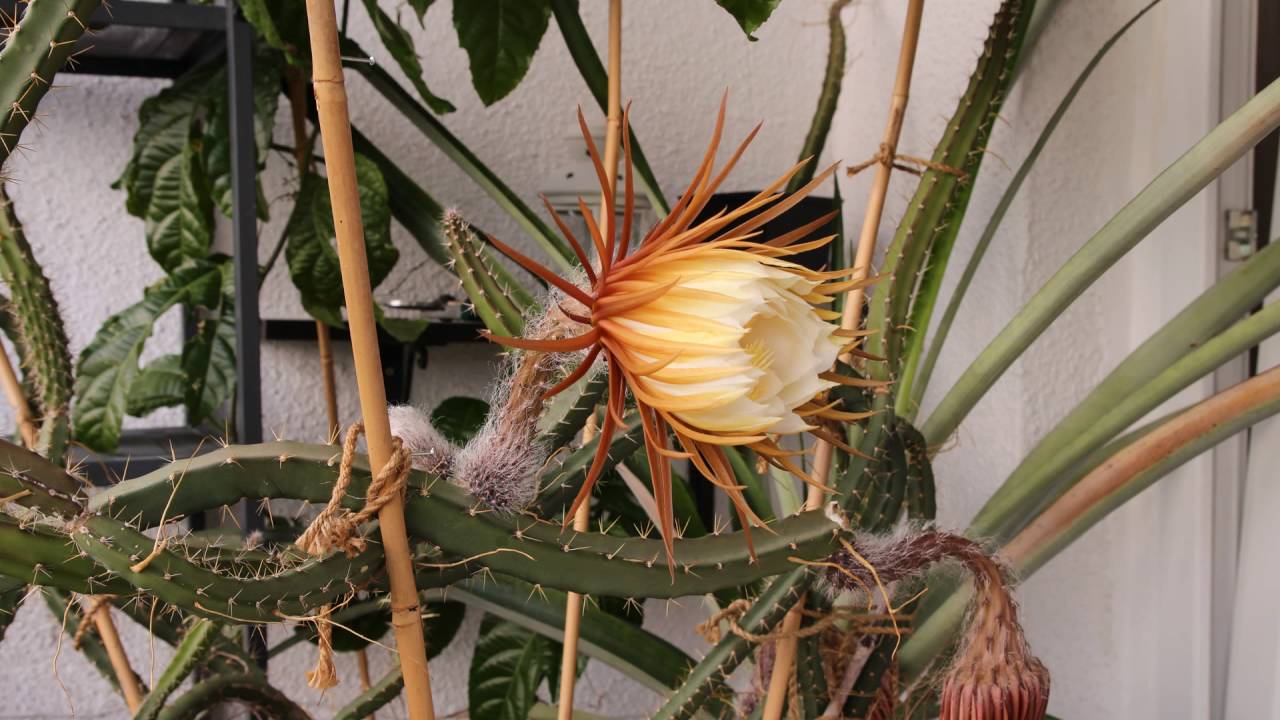
Selenicereus grandiflorus, also known as Queen of the Night, is a species of cactus native to Central and South America. It is a climbing cactus that produces large, fragrant, white flowers that bloom only one night a year.
Plant Care Instructions
Outdoor Size Range
10-20 feet (3-6 meters)
Light Requirements
Selenicereus grandiflorus requires bright, indirect light. It can tolerate some direct sunlight, but too much can burn the leaves.
Humidity Needs
This species prefers moderate to high humidity levels. It can benefit from occasional misting or placement on a pebble tray.
Fertilizing Schedule
Fertilize with a balanced, water-soluble fertilizer every 2-3 weeks during the growing season. Reduce fertilization during the winter.
Pruning Guidelines
Pruning should be done in the spring to control the size and shape of the plant. Dead or damaged stems should be removed immediately.
Common Pests and Diseases
Common pests include spider mites and mealybugs. Diseases are rare but can occur if the plant is overwatered or exposed to cold temperatures.
Indoor Size Range
12-24 inches (30-60 cm)
Watering Schedule
Watering should be done sparingly, allowing the soil to dry out between waterings. During the winter, watering should be reduced to once a month.
Temperature Range
Selenicereus grandiflorus prefers warm temperatures between 60-80°F (15-27°C). It can tolerate brief temperature drops to 50°F (10°C), but prolonged exposure can damage the plant.
Growing Season
The growing season for Selenicereus grandiflorus is from spring to fall.
Growing Difficulty Level
Selenicereus grandiflorus is considered moderately difficult to grow. It requires specific lighting and watering conditions, and can be susceptible to pests and diseases.
USDA Hardiness Zones
USDA hardiness zones 10-12
Did You Know?
The flowers of Selenicereus grandiflorus are pollinated by moths, which are attracted by the sweet fragrance of the blooms. Once pollinated, the flowers produce a red, edible fruit known as pitaya or dragon fruit.
