Special Web Offer - Get 50% OFF!
Grab Your Deal Now
PlantSnap
Plant Care
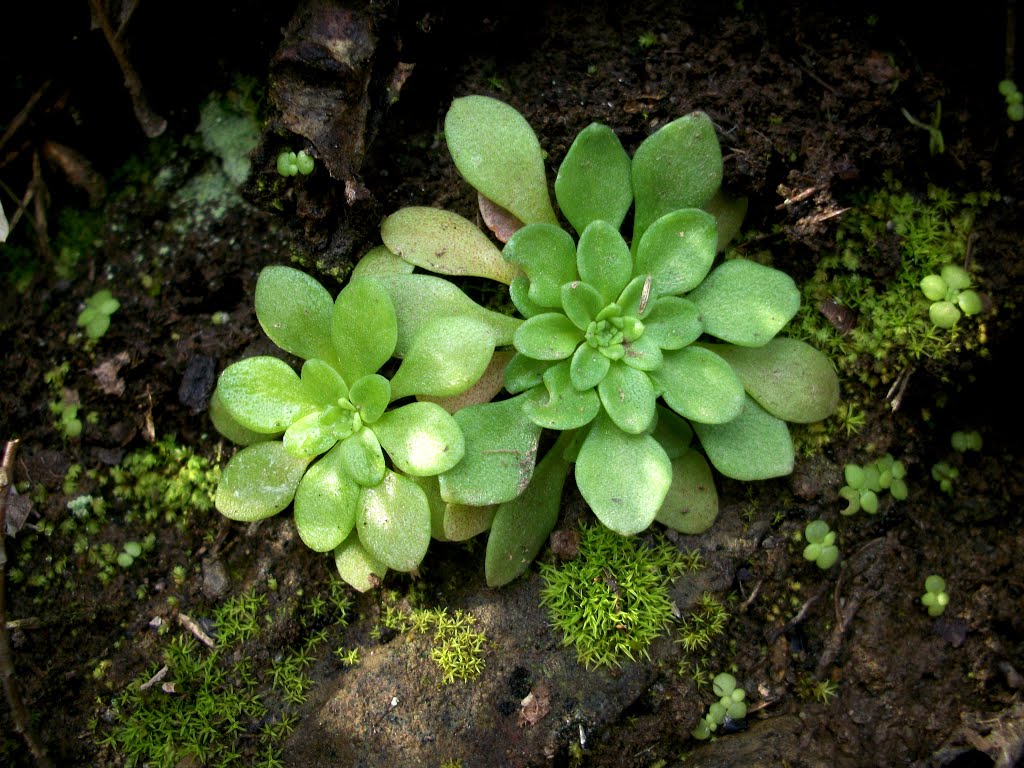
Common stonecrop
(Sedum cepaea)
Also Known As
Common stonecrop, Stonecrop, Butterfly stonecrop, Golden stonecrop, Creeping stonecrop
About This Plant
Sedum cepaea is a small, succulent plant species that belongs to the Crassulaceae family. It is a low-growing, mat-forming perennial that typically grows up to 4 inches (10 cm) tall and spreads up to 12 inches (30 cm) wide. The plant has fleshy, green leaves that turn reddish-brown in full sun. In late summer, it produces small, star-shaped, yellow flowers that attract pollinators.
Plant Care Instructions
Outdoor Size Range
4-12 inches (10-30 cm)
Light Requirements
Sedum cepaea prefers full sun to partial shade. It can tolerate some shade, but too much shade will cause the plant to become leggy and lose its compact form.
Humidity Needs
Sedum cepaea prefers dry air and does not require high humidity levels.
Fertilizing Schedule
Sedum cepaea does not require frequent fertilization. Fertilize once a month during the growing season with a balanced, water-soluble fertilizer.
Pruning Guidelines
Prune Sedum cepaea in early spring to remove any dead or damaged leaves. This will encourage new growth and maintain the plant's shape.
Common Pests and Diseases
Sedum cepaea is generally pest-free, but it may be susceptible to mealybugs, scale insects, and spider mites. Treat infestations with insecticidal soap or neem oil.
Indoor Size Range
2-4 inches (5-10 cm)
Watering Schedule
This plant is drought-tolerant and does not require frequent watering. Water only when the soil is completely dry. Overwatering can cause root rot.
Temperature Range
This plant is hardy in USDA zones 5-9 and can tolerate a wide range of temperatures. It can survive in temperatures as low as -20°F (-28°C) and as high as 90°F (32°C).
Growing Season
Sedum cepaea typically blooms in late summer and early fall.
Growing Difficulty Level
Sedum cepaea is easy to grow and requires minimal care. It is an excellent choice for beginners.
USDA Hardiness Zones
USDA hardiness zones 5-9
Did You Know?
Sedum cepaea is commonly used as a ground cover in rock gardens and dry areas. It is also known for its ability to attract butterflies and other pollinators.