Special Web Offer - Get 50% OFF!
Grab Your Deal Now
PlantSnap
Plant Care
Chips
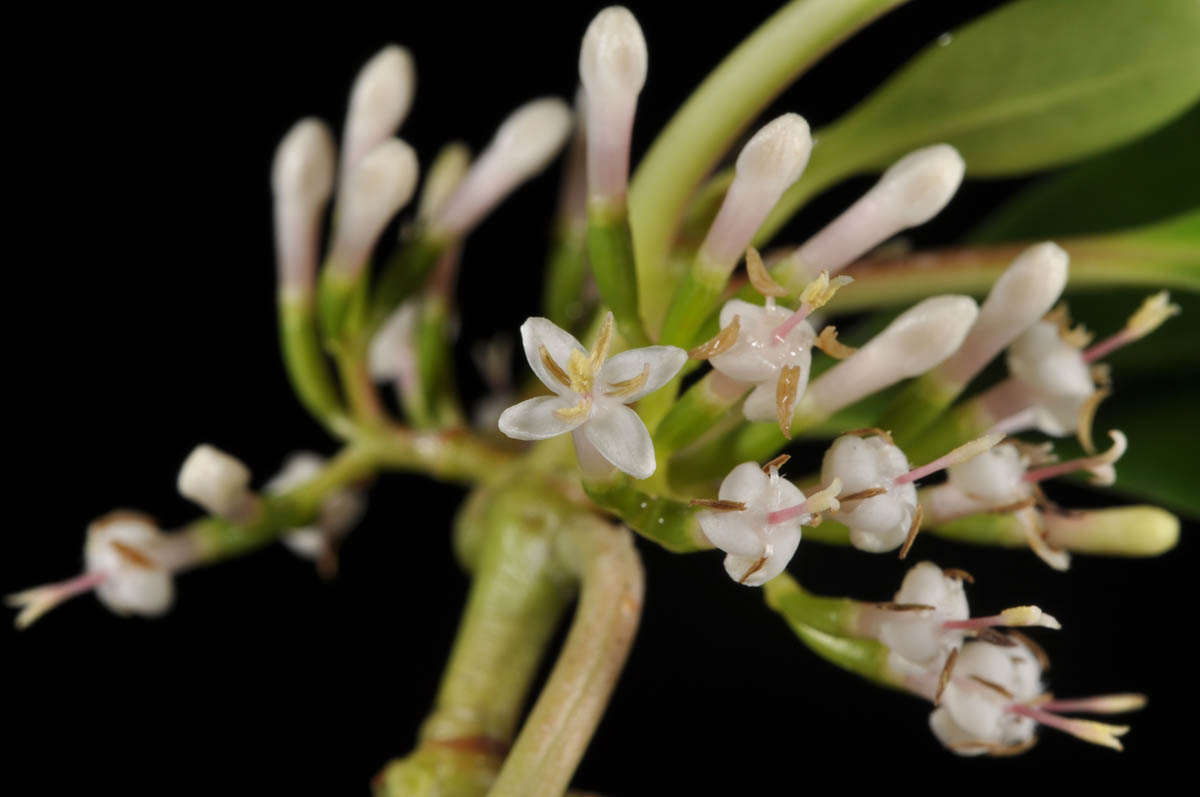
(Scyphiphora hydrophyllacea)
Also Known As
Chips, Water wattle, Freshwater mangrove, Sea grapes
About This Plant
Scyphiphora hydrophyllacea is a small tree or shrub that belongs to the family Rubiaceae. It is native to Southeast Asia and is commonly found in mangrove forests. The plant has thick, leathery leaves and small white or pink flowers that bloom in clusters. The fruit is a small, round capsule that contains many seeds.
Plant Care Instructions
Outdoor Size Range
Height: 10-30 feet (3-9 meters), Spread: 10-20 feet (3-6 meters)
Light Requirements
Mangrove Buttonwood prefers full sun to partial shade. It can tolerate some shade but will not thrive in low light conditions.
Humidity Needs
Mangrove Buttonwood prefers high humidity levels and can tolerate salt spray.
Fertilizing Schedule
The plant does not require frequent fertilization. Use a slow-release fertilizer once a year in the spring.
Pruning Guidelines
Prune the plant to maintain its shape and remove dead or damaged branches. Avoid heavy pruning as it can damage the plant.
Common Pests and Diseases
Mangrove Buttonwood is relatively pest-free. However, it can be affected by mealybugs, scale insects, and spider mites.
Indoor Size Range
Not suitable for indoor cultivation
Watering Schedule
The plant prefers moist soil and can tolerate occasional flooding. It is important to avoid overwatering as it can lead to root rot.
Temperature Range
The plant prefers warm temperatures between 60-85°F (16-29°C). It cannot tolerate frost.
Growing Season
Mangrove Buttonwood can be grown year-round in tropical climates. In cooler climates, it should be grown in the spring and summer.
Growing Difficulty Level
Mangrove Buttonwood is relatively easy to grow and maintain. It is a hardy plant that can tolerate a range of growing conditions.
USDA Hardiness Zones
Mangrove Buttonwood is hardy in USDA zones 10-11.
Did You Know?
Mangrove Buttonwood is an important plant in mangrove ecosystems as it helps to stabilize the soil and prevent erosion. It is also used in traditional medicine to treat a range of ailments including fever, diarrhea, and skin infections.
