Special Web Offer - Get 50% OFF!
Grab Your Deal Now
PlantSnap
Plant Care
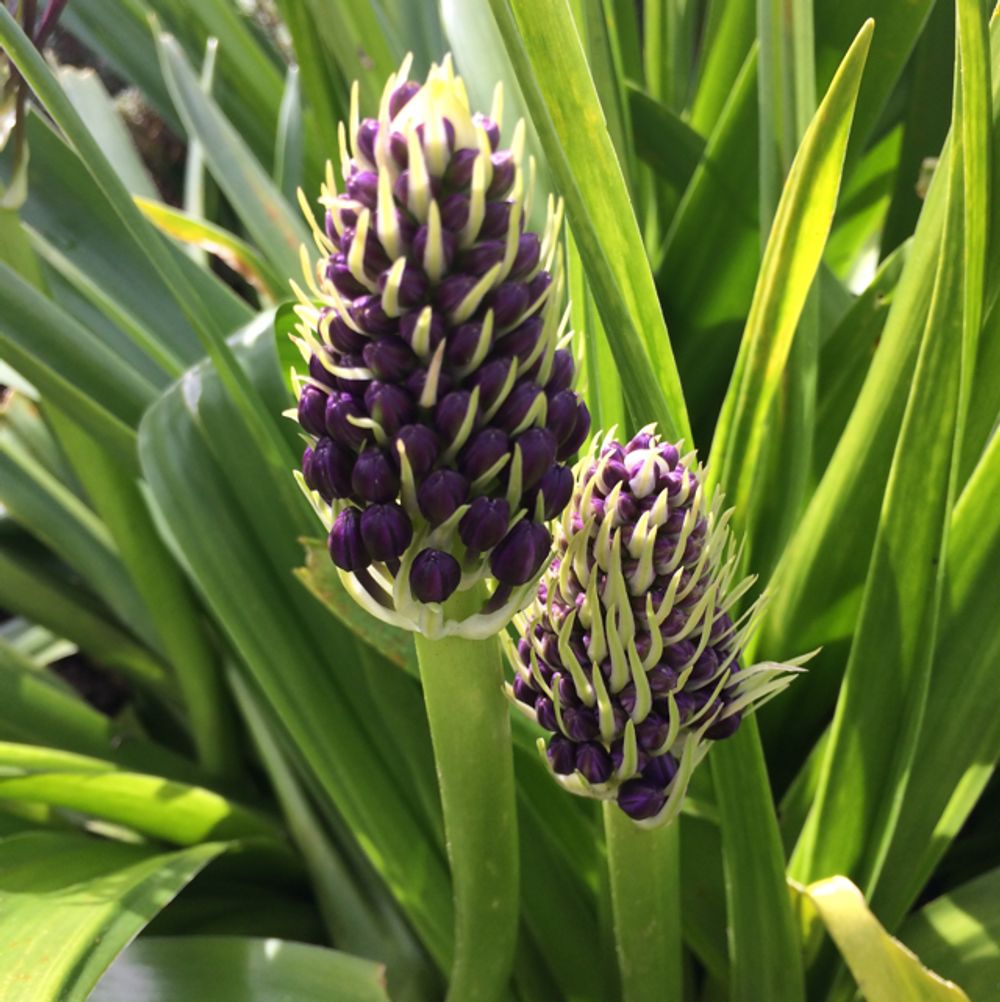
Portuguese squill
(Scilla peruviana)
Also Known As
Portuguese squill, Hybiscus, Squill
About This Plant
Scilla peruviana is a bulbous perennial plant that produces striking blue flowers in the spring. It has long, strap-like leaves that emerge in the fall and die back in the summer. The plant is native to the Mediterranean region and is commonly grown as an ornamental plant.
Plant Care Instructions
Outdoor Size Range
12-18 inches (30-45 cm) tall, 6-8 inches (15-20 cm) wide
Light Requirements
Scilla peruviana prefers full sun to partial shade. It can tolerate some shade, but too much shade can cause the plant to become leggy and produce fewer flowers.
Humidity Needs
Scilla peruviana does not have any specific humidity requirements.
Fertilizing Schedule
Scilla peruviana does not require much fertilizer. A balanced fertilizer can be applied in the spring before the plant begins to flower.
Pruning Guidelines
The plant does not require much pruning. Dead leaves and flowers can be removed as needed.
Common Pests and Diseases
Common pests for Scilla peruviana include slugs, snails, and spider mites. The plant is generally not susceptible to many diseases.
Indoor Size Range
Not suitable for indoor cultivation
Watering Schedule
The plant prefers well-draining soil and should be watered regularly during the growing season. Allow the soil to dry out slightly between waterings, but do not let it completely dry out.
Temperature Range
The plant prefers moderate temperatures between 60-75°F (15-24°C). It can tolerate some frost, but prolonged exposure to freezing temperatures can damage the plant.
Growing Season
Scilla peruviana blooms in the spring and goes dormant in the summer. It can be planted in the fall or early spring.
Growing Difficulty Level
Scilla peruviana is moderately easy to grow. It requires well-draining soil and regular watering, but is otherwise fairly low-maintenance.
USDA Hardiness Zones
Scilla peruviana is hardy in USDA zones 7-10.
Did You Know?
Scilla peruviana is sometimes called the 'Cuban lily', even though it is not native to Cuba.
