Special Web Offer - Get 50% OFF!
Grab Your Deal Now
PlantSnap
Plant Care
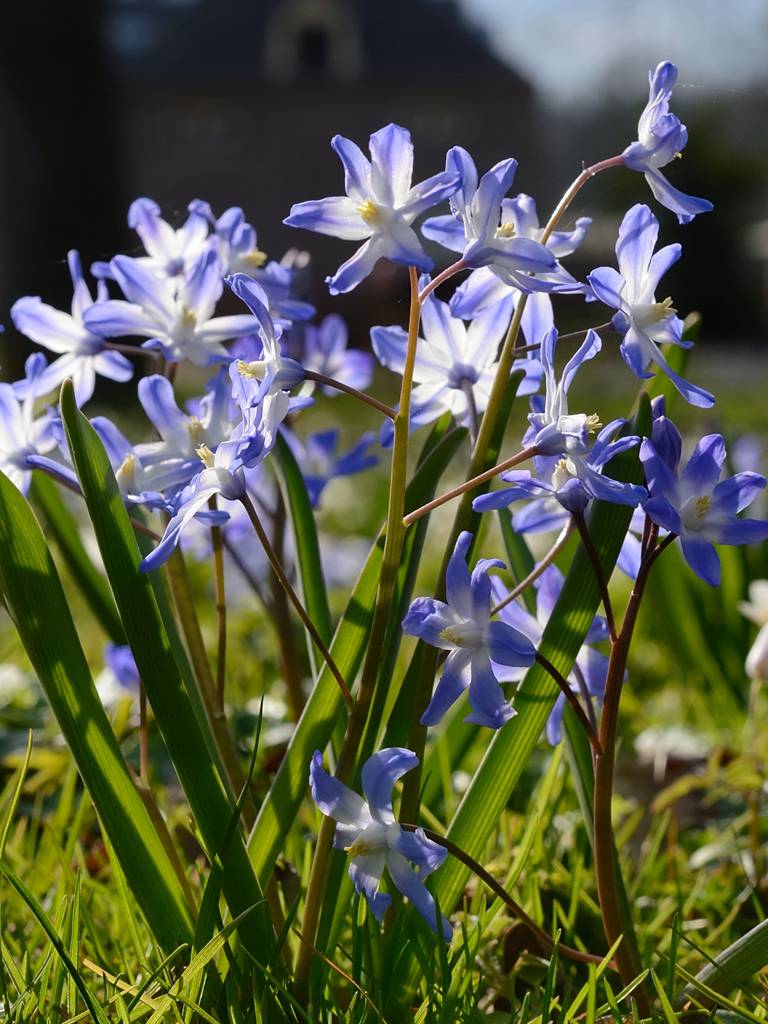
Glory of the snow
(Scilla forbesii)
Also Known As
Glory of the snow, Forbes' squill, Spring squill, Bluebell squill
About This Plant
Scilla forbesii is a small, bulbous perennial plant that produces beautiful blue flowers. It has narrow, grass-like leaves that grow up to 20 cm in length.
Plant Care Instructions
Outdoor Size Range
4-6 inches (10-15 cm)
Light Requirements
Scilla forbesii prefers bright, indirect light. Direct sunlight can scorch its leaves.
Humidity Needs
This plant species prefers moderate humidity levels. It can tolerate low humidity, but high humidity can cause fungal problems.
Fertilizing Schedule
Fertilize the plant with a balanced fertilizer once a month during the growing season. Stop fertilizing during the dormant season.
Pruning Guidelines
Remove any dead or yellowing leaves as needed. After the plant has finished blooming, allow the foliage to die back naturally before cutting it back.
Common Pests and Diseases
Common pests for Scilla forbesii include spider mites, mealybugs, and thrips. It may also be susceptible to fungal diseases such as botrytis and root rot.
Indoor Size Range
4-6 inches (10-15 cm)
Watering Schedule
Water the plant when the top inch of soil feels dry to the touch. Avoid overwatering as it can cause the bulbs to rot.
Temperature Range
Scilla forbesii prefers cool temperatures between 50-60°F (10-15°C). It can tolerate higher temperatures, but it may not bloom as well.
Growing Season
Scilla forbesii blooms in the spring, typically in March or April.
Growing Difficulty Level
Scilla forbesii is relatively easy to grow and care for, making it a good choice for beginner gardeners.
USDA Hardiness Zones
Scilla forbesii is hardy in USDA zones 5-9.
Did You Know?
Scilla forbesii is native to the Mediterranean region and is often found growing in rocky areas or on hillsides.
