Special Web Offer - Get 50% OFF!
Grab Your Deal Now
PlantSnap
Plant Care
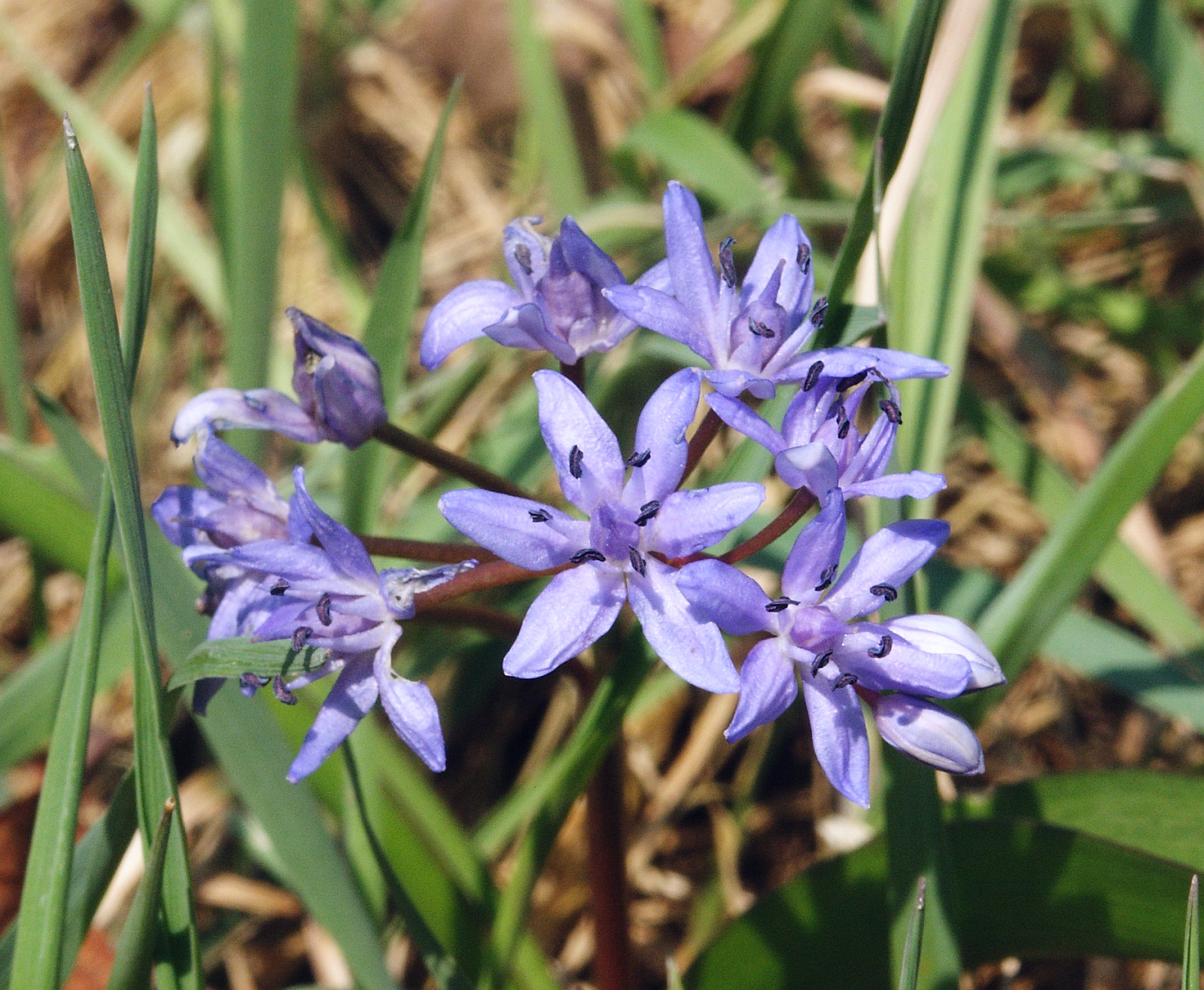
Alpine squill
(Scilla bifolia)
Also Known As
Alpine squill, Two-leaf squill, alpine squill, siberian squill, bluebell squill
About This Plant
Scilla bifolia is a bulbous perennial plant species that produces two basal leaves and a raceme of 2-6 blue or white flowers in early spring. It is native to Europe and Asia and is commonly grown as an ornamental plant.
Plant Care Instructions
Outdoor Size Range
3-6 inches (7-15 cm)
Light Requirements
Scilla bifolia prefers partial to full shade.
Humidity Needs
Scilla bifolia prefers moderate humidity levels.
Fertilizing Schedule
Fertilize the plant with a balanced fertilizer once a month during the growing season.
Pruning Guidelines
Deadhead the flowers after they have finished blooming and cut back the foliage once it has turned yellow.
Common Pests and Diseases
Scilla bifolia is generally pest-free but can be affected by slugs and snails.
Indoor Size Range
6-8 inches (15-20 cm)
Watering Schedule
Water the plant regularly, keeping the soil moist but not waterlogged.
Temperature Range
Scilla bifolia prefers cool temperatures and can tolerate frost.
Growing Season
Scilla bifolia grows in early spring.
Growing Difficulty Level
Scilla bifolia is easy to grow and low-maintenance.
USDA Hardiness Zones
Scilla bifolia is hardy in USDA zones 3-8.
Did You Know?
The bulbs of Scilla bifolia contain a toxic alkaloid called scilliroside, which can cause vomiting and diarrhea if ingested.
