Special Web Offer - Get 50% OFF!
Grab Your Deal Now
PlantSnap
Plant Care
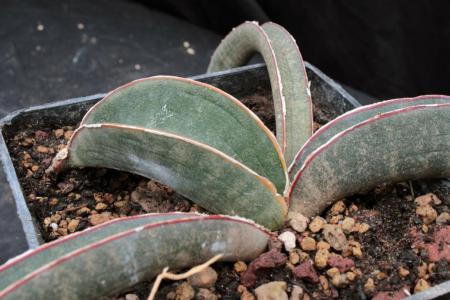
Baseball bat sansevieria
(Sansevieria hallii)
Also Known As
Baseball bat sansevieria, Hall's snake plant, Hall's mother-in-law's tongue
About This Plant
Sansevieria hallii is a species of flowering plant in the family Asparagaceae, native to East Africa. It is a succulent perennial herb with stiff, erect, sword-shaped leaves that grow up to 2 feet (60 cm) tall and 2 inches (5 cm) wide. The leaves are dark green with light green cross-banding and have a pointed tip.
Plant Care Instructions
Outdoor Size Range
Not applicable
Light Requirements
Sansevieria hallii prefers bright, indirect light but can also tolerate low light conditions.
Humidity Needs
Sansevieria hallii prefers low humidity and can tolerate dry air conditions.
Fertilizing Schedule
Sansevieria hallii does not require frequent fertilization. Fertilize once a month during the growing season with a balanced fertilizer.
Pruning Guidelines
Sansevieria hallii does not require frequent pruning. Remove any dead or damaged leaves as needed.
Common Pests and Diseases
Sansevieria hallii is generally pest-free but can be susceptible to spider mites, mealybugs, and scale insects.
Indoor Size Range
12-24 inches (30-60 cm)
Watering Schedule
Water Sansevieria hallii only when the soil is completely dry. It is drought-tolerant and can withstand periods of neglect.
Temperature Range
Sansevieria hallii prefers temperatures between 60-85°F (15-29°C) and can tolerate a wide range of temperatures.
Growing Season
Sansevieria hallii can be grown year-round.
Growing Difficulty Level
Sansevieria hallii is easy to grow and care for, making it a great choice for beginners.
USDA Hardiness Zones
Sansevieria hallii is not cold hardy and cannot survive freezing temperatures. It is best grown indoors or in warm, tropical climates.
Did You Know?
Sansevieria hallii is sometimes called the 'bird's nest snake plant' because of the way the leaves grow in a rosette formation, resembling a bird's nest.