Special Web Offer - Get 50% OFF!
Grab Your Deal Now
PlantSnap
Plant Care
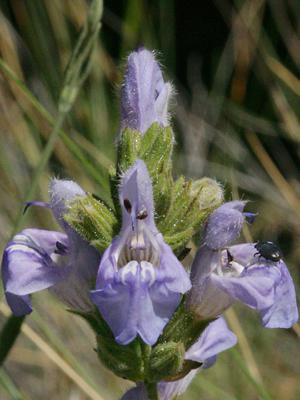
Lavender sage
(Salvia officinalis lavandulifolia)
Also Known As
Lavender sage, Spanish sage, Lavender leaf sage, Tufted sage
About This Plant
Salvia officinalis lavandulifolia is a perennial herb that belongs to the Lamiaceae family. It has a woody stem and grayish-green leaves that are highly aromatic. The plant is commonly used for culinary and medicinal purposes.
Plant Care Instructions
Outdoor Size Range
24-36 inches (60-90 cm)
Light Requirements
Salvia officinalis lavandulifolia prefers full sun to partial shade. It needs at least 6 hours of direct sunlight per day.
Humidity Needs
Salvia officinalis lavandulifolia thrives in low to moderate humidity levels. High humidity can lead to fungal diseases.
Fertilizing Schedule
The plant does not require frequent fertilization. It can be fertilized once a month during the growing season with a balanced fertilizer.
Pruning Guidelines
The plant should be pruned regularly to promote bushy growth and prevent legginess. The best time to prune is in the spring, before new growth appears.
Common Pests and Diseases
The plant is generally resistant to pests and diseases, but it can be affected by spider mites, whiteflies, and root rot.
Indoor Size Range
12-24 inches (30-60 cm)
Watering Schedule
The plant requires moderate watering. It should be watered deeply once a week and the soil should be allowed to dry out between watering sessions.
Temperature Range
The plant can tolerate a wide range of temperatures, but it prefers temperatures between 60-90°F (15-32°C). It can survive light frost, but it is not frost tolerant.
Growing Season
The plant can be grown year-round in mild climates, but it is best planted in the spring or fall in colder climates.
Growing Difficulty Level
Salvia officinalis lavandulifolia is easy to grow and care for, making it a great choice for beginner gardeners.
USDA Hardiness Zones
Salvia officinalis lavandulifolia is hardy in USDA zones 5-9.
Did You Know?
The name Salvia is derived from the Latin word salvare, which means 'to heal'. This reflects the plant's traditional use as a medicinal herb.
