Special Web Offer - Get 50% OFF!
Grab Your Deal Now
PlantSnap
Plant Care
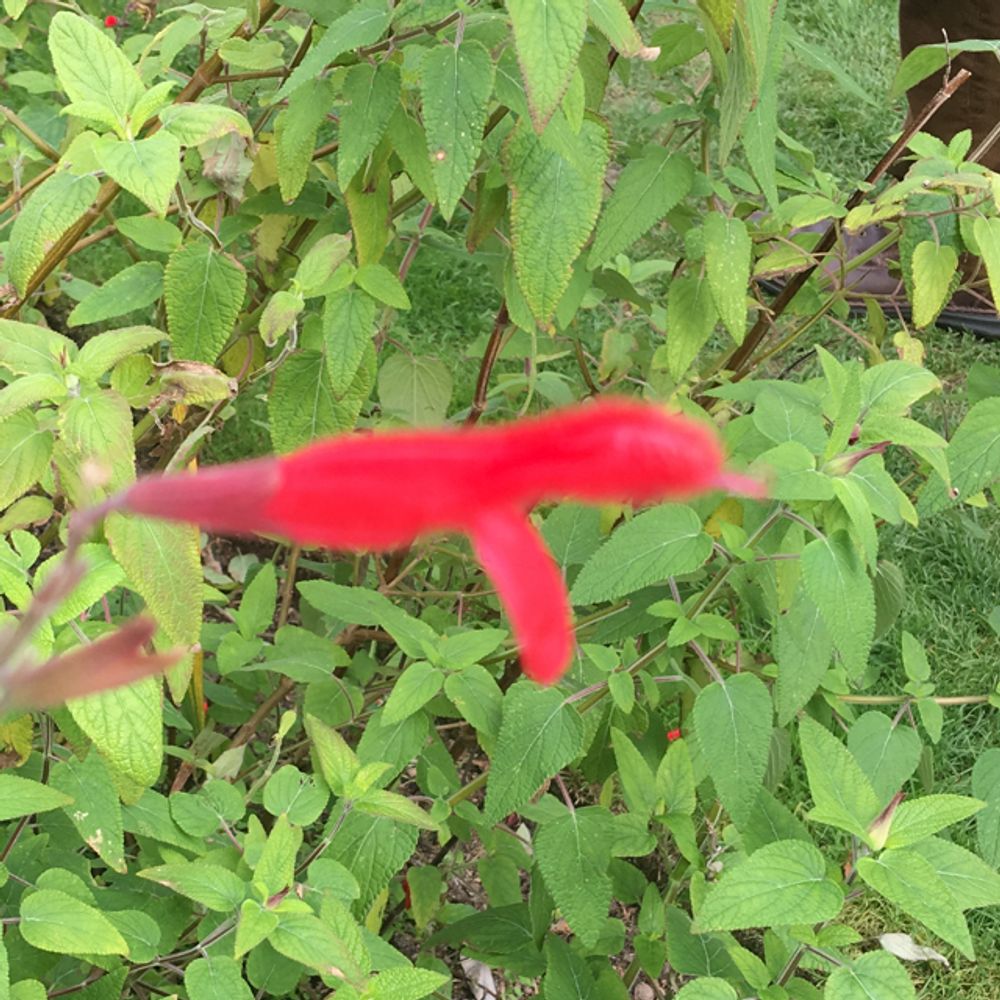
Pineapple sage
(Salvia elegans)
Also Known As
Pineapple sage, Tangerine sage, Sweet-scented sage
About This Plant
Salvia elegans, commonly known as Pineapple Sage, is a perennial herb that belongs to the mint family. It is native to Mexico and Guatemala and is widely cultivated for its attractive foliage and edible flowers.
Plant Care Instructions
Outdoor Size Range
24-36 inches (60-90 cm)
Light Requirements
Salvia elegans requires full sun to partial shade. It is best to provide at least six hours of direct sunlight per day.
Humidity Needs
Salvia elegans prefers moderate to high humidity levels. Increase humidity by misting the plant with water or placing a tray of water near the plant.
Fertilizing Schedule
Feed the plant with a balanced fertilizer every two weeks during the growing season (spring and summer).
Pruning Guidelines
Prune the plant in early spring to promote bushier growth and remove any dead or damaged stems. Pinch back the tips of the stems throughout the growing season to encourage branching.
Common Pests and Diseases
Common pests that can affect Pineapple Sage include spider mites, whiteflies, and aphids. Diseases such as powdery mildew and root rot can also be a problem.
Indoor Size Range
12-24 inches (30-60 cm)
Watering Schedule
Water the plant regularly, keeping the soil consistently moist but not waterlogged. Pineapple Sage is sensitive to drought, so it is important to keep the soil moist during dry spells.
Temperature Range
The ideal temperature range for Pineapple Sage is between 60-85°F (16-29°C). It can tolerate temperatures as low as 30°F (-1°C) but may suffer damage if exposed to frost.
Growing Season
The growing season for Pineapple Sage is from spring to fall.
Growing Difficulty Level
Salvia elegans is relatively easy to grow and maintain, making it a great choice for beginners.
USDA Hardiness Zones
Salvia elegans is hardy in USDA zones 8-11.
Did You Know?
In addition to its culinary uses, Pineapple Sage is also used in traditional medicine to treat anxiety and depression.
