Special Web Offer - Get 50% OFF!
Grab Your Deal Now
PlantSnap
Plant Care
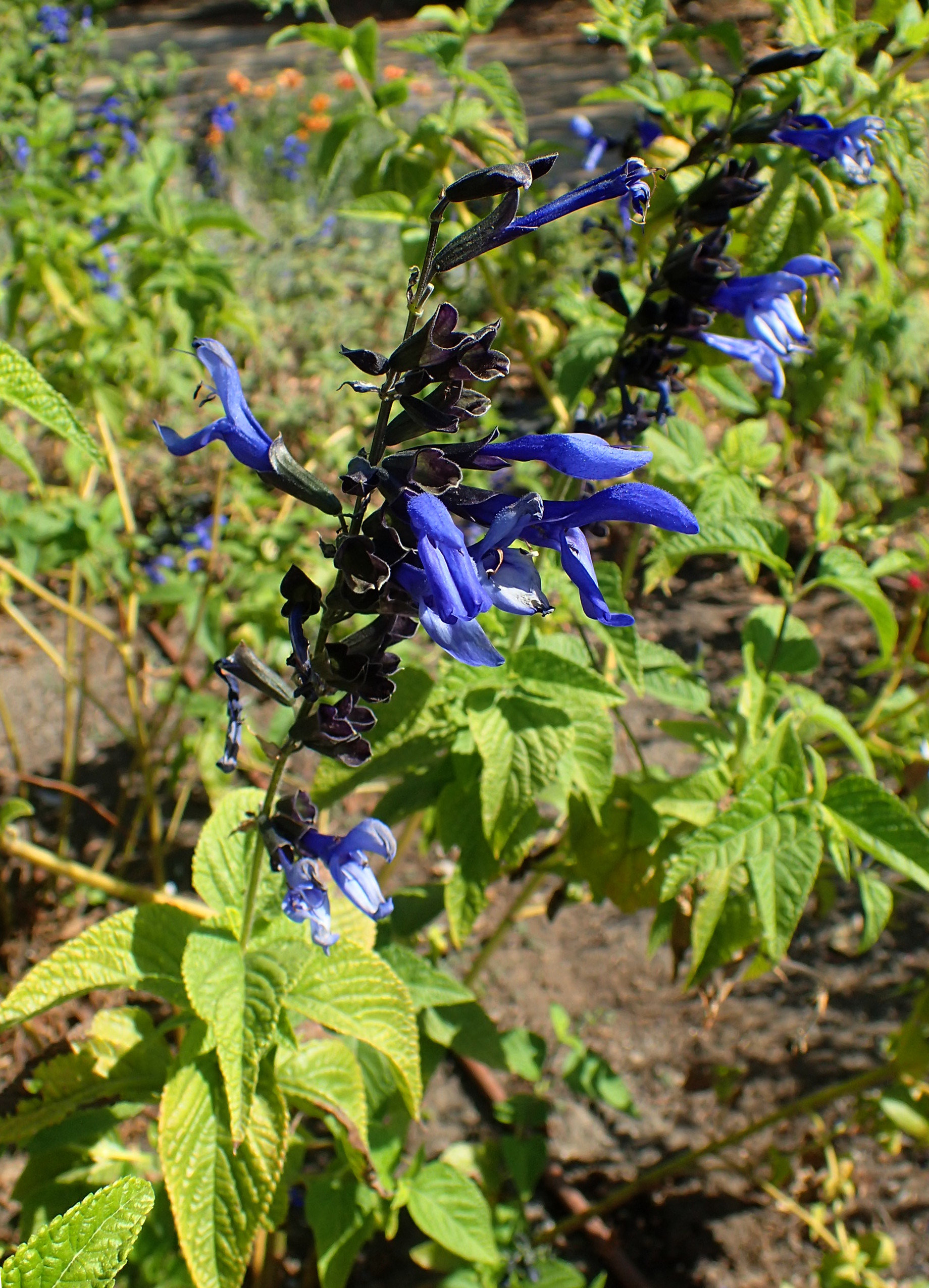
Blue sage
(Salvia coerulea)
Also Known As
Blue sage, Culinary sage, Meadow sage
About This Plant
Salvia coerulea is a herbaceous perennial plant species that is native to Brazil. It is known for its striking blue flowers and fragrant foliage. The plant has a long history of medicinal and cultural use.
Plant Care Instructions
Outdoor Size Range
24-36 inches (60-90 cm)
Light Requirements
Salvia coerulea prefers full sun to partial shade. It can tolerate some shade but will not flower as well.
Humidity Needs
Salvia coerulea prefers moderate humidity levels.
Fertilizing Schedule
Salvia coerulea benefits from regular fertilization during the growing season. Use a balanced fertilizer once a month.
Pruning Guidelines
Prune the plant after flowering to promote bushier growth and remove any dead or damaged foliage.
Common Pests and Diseases
Common pests include spider mites and whiteflies. Diseases such as powdery mildew can also affect the plant.
Indoor Size Range
18-24 inches (45-60 cm)
Watering Schedule
The plant prefers well-draining soil and moderate watering. Do not overwater as it can lead to root rot.
Temperature Range
The plant can tolerate a wide range of temperatures from 20-100°F (-6-38°C). However, it prefers temperatures between 60-80°F (16-27°C).
Growing Season
The growing season for Salvia coerulea is from spring to fall.
Growing Difficulty Level
Salvia coerulea is moderately difficult to grow. It requires well-draining soil, moderate watering, and regular fertilization.
USDA Hardiness Zones
Salvia coerulea is hardy in USDA zones 8-11.
Did You Know?
Salvia coerulea is also known as 'Mealy Cup Sage' due to the white, mealy covering on the foliage.
