Special Web Offer - Get 50% OFF!
Grab Your Deal Now
PlantSnap
Plant Care
White sage
(Salvia apiana)
Also Known As
White sage, California sagebrush, Sacred sage
About This Plant
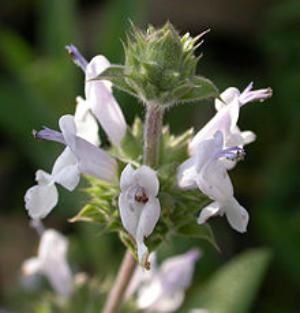
Salvia apiana, commonly known as white sage, is a perennial evergreen shrub that is native to the southwestern United States and northwestern Mexico. It grows up to 4 feet (1.2 meters) tall and wide, with silvery-gray leaves and white or lavender flowers.
Plant Care Instructions
Outdoor Size Range
2-4 feet (0.6-1.2 meters)
Light Requirements
White sage prefers full sun, but can tolerate partial shade.
Humidity Needs
White sage prefers low humidity levels.
Fertilizing Schedule
White sage does not require fertilizer.
Pruning Guidelines
Prune white sage in the spring to promote bushier growth and to remove any dead or damaged branches.
Common Pests and Diseases
White sage is generally pest-free, but can occasionally be affected by spider mites or whiteflies.
Indoor Size Range
Not suitable for indoor growth
Watering Schedule
White sage is drought-tolerant and prefers infrequent, deep watering rather than frequent shallow watering. Allow the soil to dry out between watering.
Temperature Range
White sage can tolerate a wide range of temperatures, from 10°F (-12°C) to 110°F (43°C).
Growing Season
White sage grows best in the spring and fall, but can be grown year-round in mild climates.
Growing Difficulty Level
White sage is relatively easy to grow, but requires well-draining soil and does not tolerate over-watering.
USDA Hardiness Zones
USDA hardiness zones 8-11.
Did You Know?
White sage has been used for centuries by Native American tribes for medicinal and ceremonial purposes, and is still considered a sacred plant by many today.