Special Web Offer - Get 50% OFF!
Grab Your Deal Now
PlantSnap
Plant Care
White willow
(Salix alba)
Also Known As
White willow, Common willow, Cope willow, European willow
About This Plant
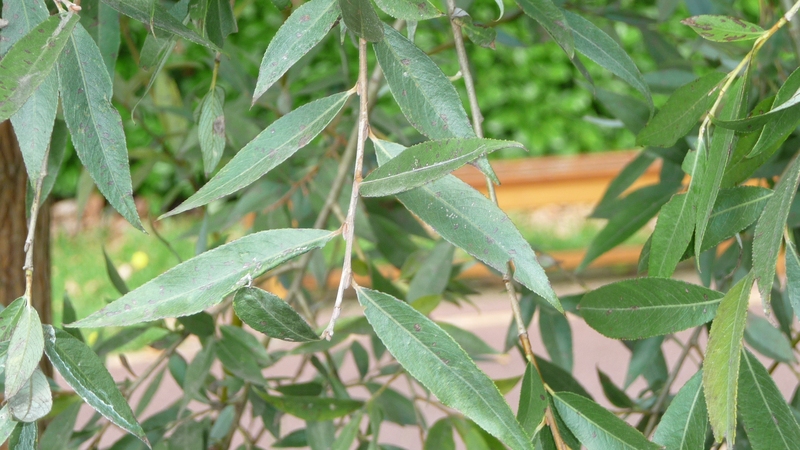
Salix alba is a deciduous tree that can grow up to 30 meters tall. It has a grayish-brown bark and long, narrow leaves that are green on top and silvery-white on the bottom. The tree produces catkins in the spring which are followed by small, fluffy seeds.
Plant Care Instructions
Outdoor Size Range
60-100 feet (18-30 meters)
Light Requirements
White Willows prefer full sun but can tolerate partial shade.
Humidity Needs
White Willows do not have any specific humidity requirements.
Fertilizing Schedule
Fertilize the tree in the spring with a balanced fertilizer.
Pruning Guidelines
Prune the tree in the winter to remove any dead or damaged branches.
Common Pests and Diseases
White Willows are susceptible to a variety of pests and diseases including aphids, scale insects, and powdery mildew.
Indoor Size Range
Not suitable for indoor growing
Watering Schedule
Water the tree regularly, especially during dry periods, to keep the soil moist but not waterlogged.
Temperature Range
White Willows are hardy in USDA zones 2-9 and can tolerate a wide range of temperatures.
Growing Season
White Willows grow best in the spring and summer.
Growing Difficulty Level
White Willows are relatively easy to grow as long as they are planted in the appropriate growing conditions.
USDA Hardiness Zones
2-9
Did You Know?
White Willow bark contains a chemical called salicin which is similar to aspirin and has been used for centuries as a natural pain reliever.
