Special Web Offer - Get 50% OFF!
Grab Your Deal Now
PlantSnap
Plant Care
African violet
(Saintpaulia ionantha)
Also Known As
African violet, Cape primrose
About This Plant
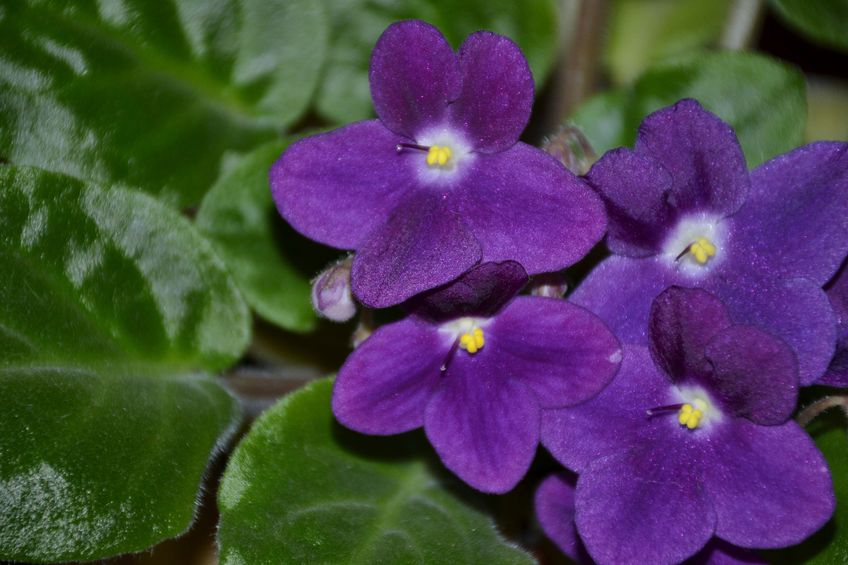
Saintpaulia ionantha is a species of flowering plant in the family Gesneriaceae, native to Tanzania and Kenya. It is a small, herbaceous perennial that grows to about 6 inches (15 cm) tall and wide. The leaves are dark green, hairy, and heart-shaped, with a slightly scalloped edge. The flowers are 1 inch (2.5 cm) in diameter, and come in a variety of colors, including blue, purple, pink, and white.
Plant Care Instructions
Outdoor Size Range
Not applicable
Light Requirements
African Violets prefer bright, indirect light. Direct sunlight can burn their leaves, while too little light can cause the plant to become leggy and stop flowering. A north-facing windowsill is usually ideal.
Humidity Needs
African Violets prefer high humidity, around 50-60%. You can increase humidity by placing a tray of water near the plant, or by using a humidifier.
Fertilizing Schedule
African Violets require regular fertilization to promote healthy growth and flowering. Use a balanced fertilizer, such as a 10-10-10 formula, and apply every 2-4 weeks during the growing season.
Pruning Guidelines
Prune African Violets to maintain their shape and promote bushy growth. Pinch off spent flowers and yellowing leaves, and trim back any leggy stems.
Common Pests and Diseases
Common pests for African Violets include spider mites, mealybugs, and thrips. Diseases such as root rot and powdery mildew can also occur.
Indoor Size Range
4-6 inches (10-15 cm)
Watering Schedule
Water African Violets from the bottom, by placing the pot in a saucer of water and allowing the soil to soak up the moisture. Avoid getting water on the leaves, as this can cause spotting and damage. Allow the soil to dry slightly between waterings, but do not let it dry out completely.
Temperature Range
African Violets prefer temperatures between 60-80°F (16-27°C). Avoid placing them near cold drafts or hot radiators.
Growing Season
African Violets can be grown year-round indoors, but may require additional light during the winter months.
Growing Difficulty Level
Moderate
USDA Hardiness Zones
Not applicable
Did You Know?
Saintpaulia ionantha was discovered in Tanzania in 1892 by Baron Walter von Saint Paul-Illaire, who named the plant after his homeland and the flower's violet color.
