Special Web Offer - Get 50% OFF!
Grab Your Deal Now
PlantSnap
Plant Care
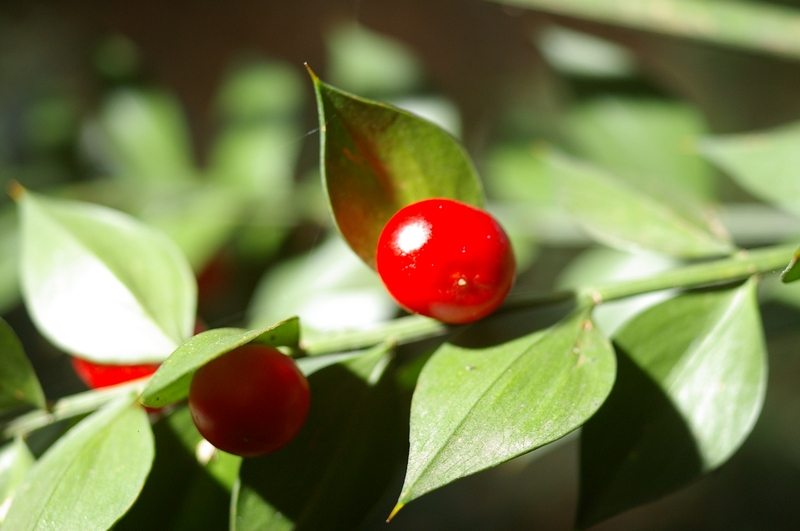
Butcher's broom
(Ruscus aculeatus)
Also Known As
Butcher's broom, Ruscus
About This Plant
Ruscus aculeatus is a small evergreen shrub with stiff, spiny leaves that grow in clusters. It produces small flowers that are surrounded by modified leaves that resemble petals.
Plant Care Instructions
Outdoor Size Range
24-36 inches (60-90 cm)
Light Requirements
Ruscus aculeatus prefers bright, indirect light but can tolerate low light conditions.
Humidity Needs
This plant does not require high humidity and can tolerate low humidity environments.
Fertilizing Schedule
Fertilize the plant once a month during the growing season with a balanced fertilizer.
Pruning Guidelines
Prune the plant in the spring to remove any dead or damaged leaves. It can also be pruned to shape.
Common Pests and Diseases
Common pests for Ruscus aculeatus include spider mites and mealybugs. It is also susceptible to fungal diseases.
Indoor Size Range
12-18 inches (30-45 cm)
Watering Schedule
Water the plant when the top inch of soil is dry to the touch. Do not overwater as it can lead to root rot.
Temperature Range
Ruscus aculeatus prefers temperatures between 60-75°F (15-24°C) but can tolerate temperatures as low as 50°F (10°C).
Growing Season
The growing season for Ruscus aculeatus is from spring to fall.
Growing Difficulty Level
Ruscus aculeatus is relatively easy to grow and care for.
USDA Hardiness Zones
Ruscus aculeatus is hardy in USDA zones 7-11.
Did You Know?
The name 'Butcher's Broom' comes from its historical use by butchers to clean their cutting boards due to the plant's stiff, spiny leaves that were useful for scrubbing.
