Special Web Offer - Get 50% OFF!
Grab Your Deal Now
PlantSnap
Plant Care
Japanese wineberry
(Rubus phoenicolasius)
Also Known As
Japanese wineberry, Wineberry
About This Plant
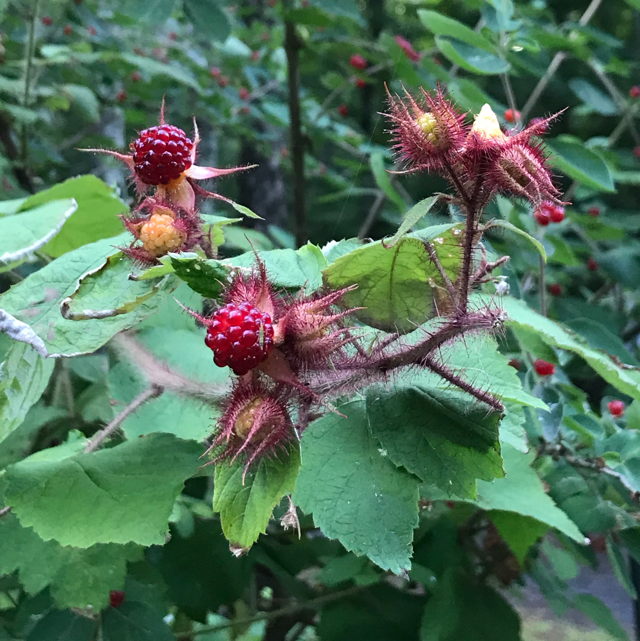
Rubus phoenicolasius is a deciduous shrub that can grow up to 2-3 meters tall. It has thorny stems and alternate leaves with 3-5 leaflets. The plant produces small white flowers in the spring, followed by red berries in the summer.
Plant Care Instructions
Outdoor Size Range
6-10 feet (1.8-3 meters)
Light Requirements
Wineberries prefer full sun, but can tolerate partial shade. At least 6 hours of direct sunlight per day is recommended.
Humidity Needs
Wineberries do not have any specific humidity requirements.
Fertilizing Schedule
Wineberries do not require fertilizer, but can benefit from a balanced fertilizer in the spring.
Pruning Guidelines
Wineberries should be pruned in the late winter or early spring to remove any dead or damaged canes. The remaining canes should be thinned to promote airflow and fruit production.
Common Pests and Diseases
Common pests for wineberries include Japanese beetles, spider mites, and aphids. Diseases such as powdery mildew and cane blight can also affect the plant.
Indoor Size Range
Not suitable for indoor growth.
Watering Schedule
Wineberries prefer well-draining soil and regular watering. Soil should be kept moist, but not waterlogged. Watering should be reduced in the winter.
Temperature Range
Wineberries can tolerate a wide range of temperatures, but prefer temperatures between 60-75°F (15-24°C).
Growing Season
Wineberries typically produce fruit in the summer, but the exact growing season can vary depending on the climate.
Growing Difficulty Level
Wineberries are relatively easy to grow and maintain, making them a good choice for beginner gardeners.
USDA Hardiness Zones
Wineberries are hardy in USDA zones 5-9.
Did You Know?
Wineberries are native to Asia and were introduced to North America in the late 1800s as an ornamental plant. They have since become invasive in many parts of the United States.