Special Web Offer - Get 50% OFF!
Grab Your Deal Now
PlantSnap
Plant Care
Black raspberry
(Rubus occidentalis)
Also Known As
Black raspberry, Blackcap raspberry, Thimbleberry
About This Plant
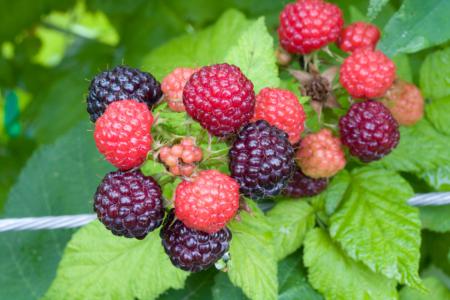
Rubus occidentalis, commonly known as black raspberry, is a species of Rubus native to eastern North America. It is a deciduous shrub with biennial stems that grow up to 2-3 meters (6-10 feet) tall. The stems are covered with prickles and the leaves are alternate, palmately compound, and have 3-5 leaflets.
Plant Care Instructions
Outdoor Size Range
6-10 feet (2-3 meters)
Light Requirements
Black raspberries prefer full sun but can tolerate partial shade.
Humidity Needs
Black raspberries prefer moderate humidity levels, around 40-60%.
Fertilizing Schedule
Black raspberries require regular fertilization with a balanced fertilizer, especially during the growing season.
Pruning Guidelines
Black raspberries require annual pruning to remove old canes and stimulate new growth. Pruning should be done in late winter or early spring.
Common Pests and Diseases
Common pests and diseases for black raspberries include aphids, spider mites, cane borers, and anthracnose.
Indoor Size Range
Not suitable for indoor cultivation
Watering Schedule
Black raspberries require regular watering, especially during the growing season. The soil should be kept moist but not waterlogged.
Temperature Range
Black raspberries prefer cool to moderate temperatures, around 60-70°F (15-21°C). They can tolerate some frost in winter.
Growing Season
Black raspberries grow best in the summer months, from June to August.
Growing Difficulty Level
Black raspberries are moderately difficult to grow. They require regular maintenance and can be susceptible to pests and diseases.
USDA Hardiness Zones
Black raspberries are hardy in USDA zones 4-8.
Did You Know?
Black raspberries are not actually black, but a deep purple color. They are often called black raspberries because they are darker than red raspberries.
