Special Web Offer - Get 50% OFF!
Grab Your Deal Now
PlantSnap
Plant Care
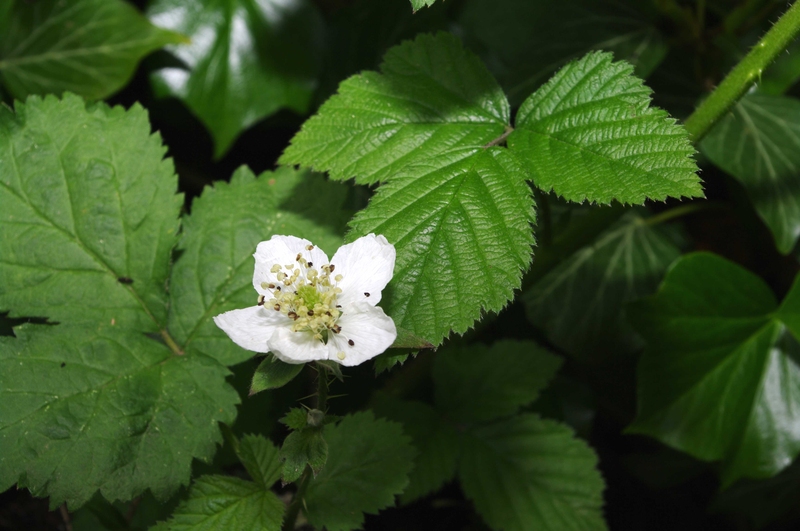
Northern blackberry
(Rubus boraeanus)
Also Known As
Northern blackberry, Boreal berry, Northern raspberry
About This Plant
Rubus boraeanus is a species of flowering plant in the rose family, native to the northern parts of North America. It is a deciduous shrub that can grow up to 3 meters tall and spread up to 2 meters wide. The plant has thorny stems and produces white flowers that bloom in the summer, followed by edible red berries in the fall.
Plant Care Instructions
Outdoor Size Range
6-10 feet (1.8-3 meters) tall and 4-6 feet (1.2-1.8 meters) wide
Light Requirements
Rubus boraeanus prefers full sun to partial shade. It needs at least six hours of direct sunlight daily.
Humidity Needs
Rubus boraeanus prefers moderate humidity levels. It can tolerate dry air, but the leaves may become crispy if the air is too dry.
Fertilizing Schedule
Rubus boraeanus does not require fertilization, but it can benefit from a balanced fertilizer in the spring.
Pruning Guidelines
The plant should be pruned in late winter or early spring to remove dead or damaged wood. It can also be pruned to control its size and shape.
Common Pests and Diseases
Common pests that can affect Rubus boraeanus include aphids, spider mites, and Japanese beetles. It can also be susceptible to fungal diseases like powdery mildew.
Indoor Size Range
N/A
Watering Schedule
The plant needs regular watering, especially during the growing season. The soil should be kept moist but not waterlogged.
Temperature Range
The plant can tolerate cold temperatures and is hardy in USDA zones 1-7. It can also tolerate heat, but it needs to be watered more frequently during hot weather.
Growing Season
The growing season for Rubus boraeanus is from spring to fall.
Growing Difficulty Level
Rubus boraeanus is relatively easy to grow and maintain, but it can be susceptible to pests and diseases.
USDA Hardiness Zones
1-7
Did You Know?
The Arctic raspberry is an important food source for many animals, including bears, birds, and small mammals. In some parts of its range, it is also used by humans for food and medicine.
