Special Web Offer - Get 50% OFF!
Grab Your Deal Now
PlantSnap
Plant Care
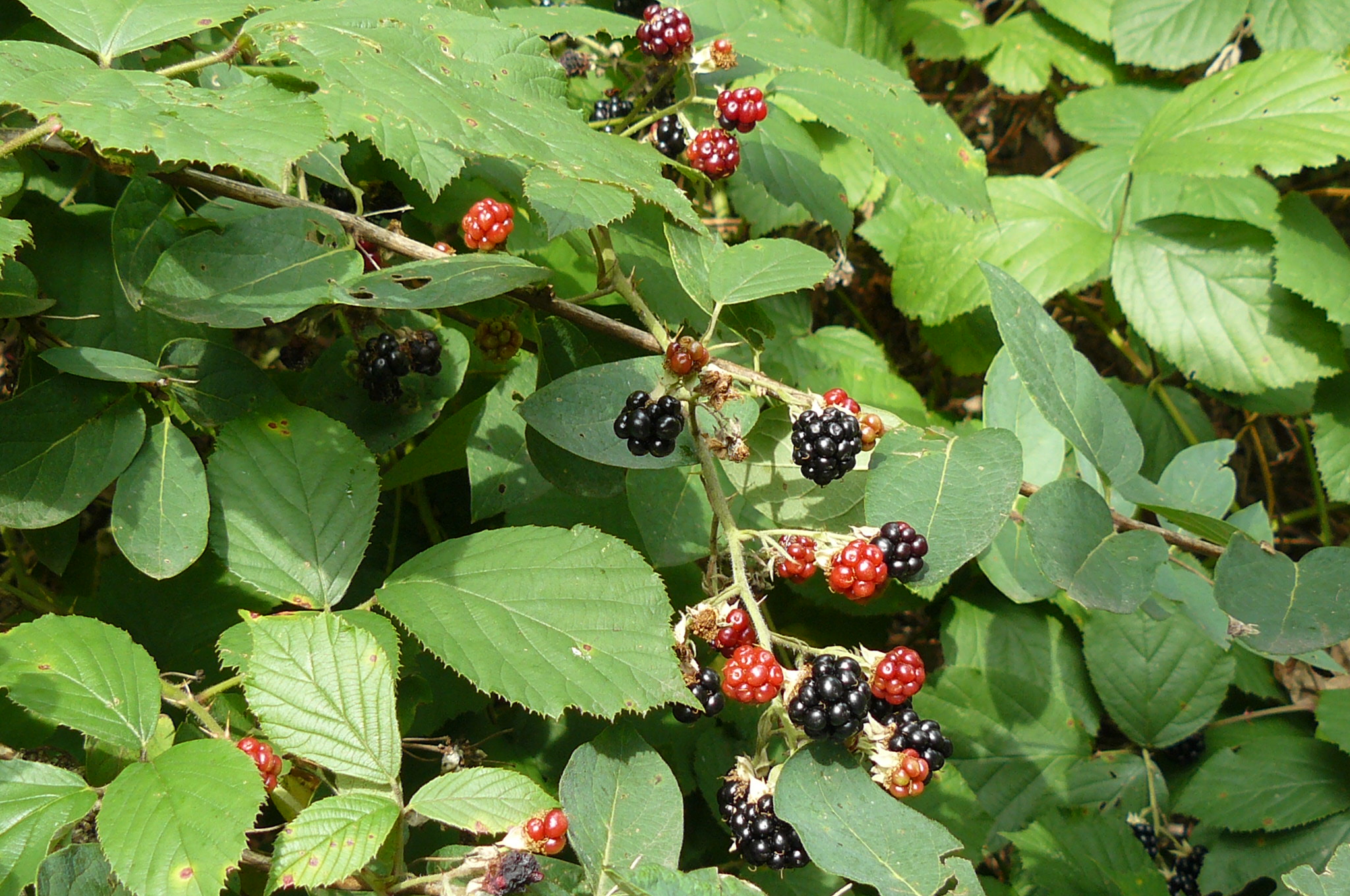
Himalayan blackberry
(Rubus bifrons)
Also Known As
Himalayan blackberry, Bramble, Blackberry, Thorny blackberry
About This Plant
Rubus bifrons is a species of flowering plant in the rose family. It is commonly known as the Himalayan blackberry or double blossom blackberry. It is a deciduous shrub that can grow up to 3 meters tall and has thorny stems.
Plant Care Instructions
Outdoor Size Range
Can grow up to 3 meters tall and 2 meters wide (118 inches tall and 78 inches wide)
Light Requirements
Himalayan blackberry requires full sun to partial shade for optimal growth. It can tolerate shade but may not produce as much fruit.
Humidity Needs
It prefers moderate humidity levels, but can tolerate dry conditions.
Fertilizing Schedule
It requires regular fertilization during the growing season. A balanced fertilizer with equal amounts of nitrogen, phosphorus, and potassium can be used.
Pruning Guidelines
Pruning is necessary to maintain the shape and size of the plant. It is best done in late winter or early spring before the new growth appears.
Common Pests and Diseases
Himalayan blackberry is susceptible to spider mites, aphids, and scale insects. It can also be affected by rust and powdery mildew.
Indoor Size Range
Not suitable for indoor growth
Watering Schedule
It requires moderate watering, especially during the growing season. The soil should be kept moist but not waterlogged.
Temperature Range
It can tolerate a wide range of temperatures, from -20°C (-4°F) to 30°C (86°F).
Growing Season
The growing season for Himalayan blackberry is from spring to fall.
Growing Difficulty Level
Himalayan blackberry is easy to grow and maintain.
USDA Hardiness Zones
It is hardy in USDA zones 6 to 9.
Did You Know?
Himalayan blackberry is considered an invasive species in many parts of the world and can quickly take over an area. It is also known for its delicious fruit and is commonly used in jams, pies, and other desserts.
