Special Web Offer - Get 50% OFF!
Grab Your Deal Now
PlantSnap
Plant Care
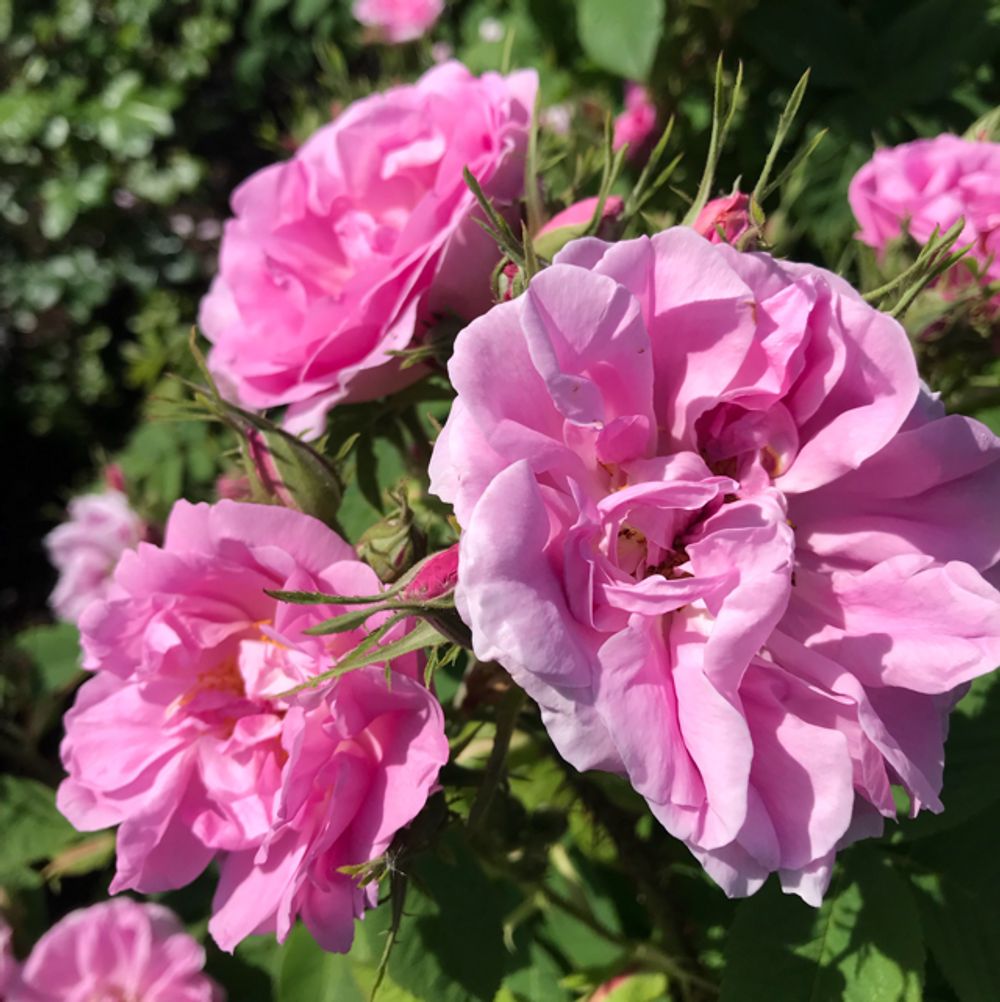
Damask rose
(Rosa damascena)
Also Known As
Damask rose, Rose of castile, Ottoman rose
About This Plant
Rosa damascena is a deciduous perennial shrub that belongs to the Rosaceae family. It is known for its fragrant pink flowers and is widely cultivated for its essential oil, which is used in perfumes and cosmetics.
Plant Care Instructions
Outdoor Size Range
3-6 feet (0.9-1.8 m)
Light Requirements
Damask roses require full sun to bloom well. They need at least 6 hours of direct sunlight per day.
Humidity Needs
They prefer moderate humidity levels, around 40-60%. Use a humidifier or place a tray of water near the plant to increase humidity.
Fertilizing Schedule
Feed the plant with a balanced fertilizer in the spring and again in midsummer. Use a slow-release fertilizer or a liquid fertilizer diluted to half strength.
Pruning Guidelines
Prune the plant in late winter or early spring before new growth appears. Remove any dead or diseased wood, and cut back the remaining branches to shape the plant.
Common Pests and Diseases
Damask roses are susceptible to aphids, spider mites, and thrips. Treat with insecticidal soap or neem oil.
Indoor Size Range
18-24 inches (45-60 cm)
Watering Schedule
Water the plant deeply once a week, making sure the soil is moist but not waterlogged. Reduce watering in the winter when the plant is dormant.
Temperature Range
Damask roses prefer a mild climate with temperatures between 60-75°F (15-24°C). They can tolerate some frost but not extreme cold.
Growing Season
The growing season for Damask roses is from late spring to early fall.
Growing Difficulty Level
Damask roses are moderately difficult to grow, as they require specific growing conditions and regular care.
USDA Hardiness Zones
USDA hardiness zones 5-9
Did You Know?
The Damask rose is one of the oldest rose species, with a history dating back to ancient Persia. It is believed to have been brought to Europe by the Crusaders in the 13th century.