Special Web Offer - Get 50% OFF!
Grab Your Deal Now
PlantSnap
Plant Care
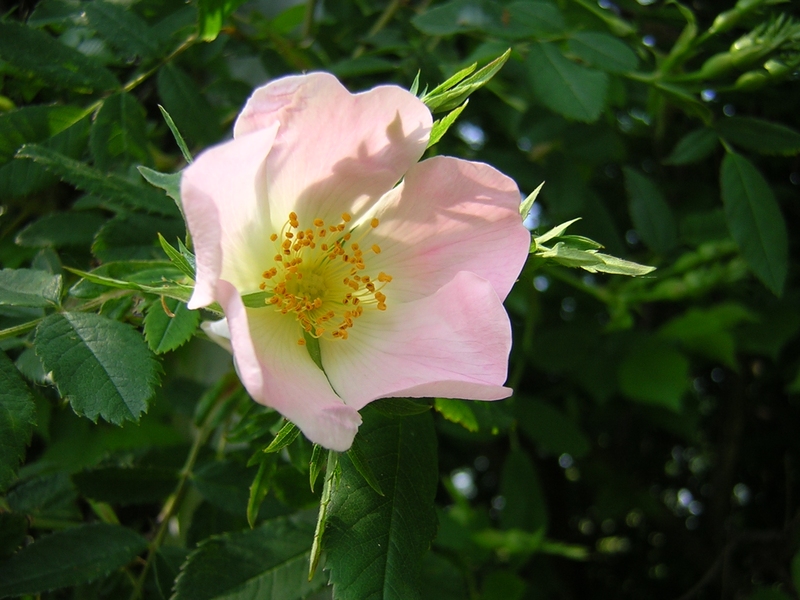
Dog rose
(Rosa canina)
Also Known As
Dog rose, Wild rose, Hip rose
About This Plant
Rosa canina is a deciduous shrub that grows up to 3 meters tall. It has green leaves with serrated edges and pink flowers with five petals. The fruit is a red or orange rosehip, which is commonly used in teas and jams.
Plant Care Instructions
Outdoor Size Range
6-10 feet (1.8-3 meters)
Light Requirements
Full sun to partial shade. At least 6 hours of direct sunlight per day.
Humidity Needs
Does not require high humidity levels.
Fertilizing Schedule
Fertilize in the spring with a balanced fertilizer. Do not fertilize in the fall.
Pruning Guidelines
Prune in late winter or early spring before new growth appears. Remove dead, diseased or damaged wood. Cut back old stems to encourage new growth.
Common Pests and Diseases
Common pests include aphids, spider mites, and rose chafers. Diseases include black spot, powdery mildew, and rust.
Indoor Size Range
Not suitable for indoor cultivation
Watering Schedule
Water regularly during the growing season, keeping the soil moist but not waterlogged. Reduce watering in the winter.
Temperature Range
Hardy in USDA zones 3-9. Can tolerate temperatures as low as -40°F (-40°C).
Growing Season
Late spring to early summer.
Growing Difficulty Level
Easy to grow.
USDA Hardiness Zones
3-9
Did You Know?
The rosehip of Rosa canina is one of the richest plant sources of vitamin C, containing up to 50 times more vitamin C than oranges.
