Special Web Offer - Get 50% OFF!
Grab Your Deal Now
PlantSnap
Plant Care
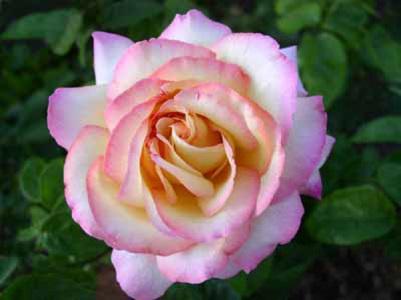
Peace rose
(Rosa Peace)
Also Known As
Peace rose, Peace hybrid tea rose, Rosa 'peace'
About This Plant
Rosa 'Peace' is a hybrid tea rose known for its large, fragrant, pale yellow blooms edged with pink. It is a popular garden plant and is often used as a cut flower.
Plant Care Instructions
Outdoor Size Range
3-6 feet (90-180 cm)
Light Requirements
Peace roses require full sun to thrive and should receive at least 6 hours of direct sunlight per day.
Humidity Needs
Peace roses prefer moderate humidity levels, but can tolerate drier air.
Fertilizing Schedule
Peace roses should be fertilized in early spring with a balanced, slow-release fertilizer. Additional applications can be made throughout the growing season.
Pruning Guidelines
Peace roses should be pruned in late winter or early spring to remove dead or diseased wood and to shape the plant. Additional pruning can be done throughout the growing season to encourage bushier growth and more blooms.
Common Pests and Diseases
Common pests of Peace roses include aphids, spider mites, and thrips. Diseases such as black spot and powdery mildew can also be a problem.
Indoor Size Range
18-24 inches (45-60 cm)
Watering Schedule
Peace roses prefer well-draining soil and should be watered deeply once a week, or more often in hot, dry weather.
Temperature Range
Peace roses prefer temperatures between 60-70°F (15-21°C) during the day and 50-60°F (10-15°C) at night.
Growing Season
Peace roses bloom from late spring to early fall, depending on the climate.
Growing Difficulty Level
Peace roses are moderately difficult to grow. They require regular care and attention, but are generally hardy and disease-resistant.
USDA Hardiness Zones
5b-9b
Did You Know?
The Peace rose was first introduced to the world in 1945, at the end of World War II, and was named to symbolize the hope for peace in the post-war world.
