Special Web Offer - Get 50% OFF!
Grab Your Deal Now
PlantSnap
Plant Care
Black locust
(Robinia pseudoacacia)
Also Known As
Black locust, Yellow locust, False acacia
About This Plant
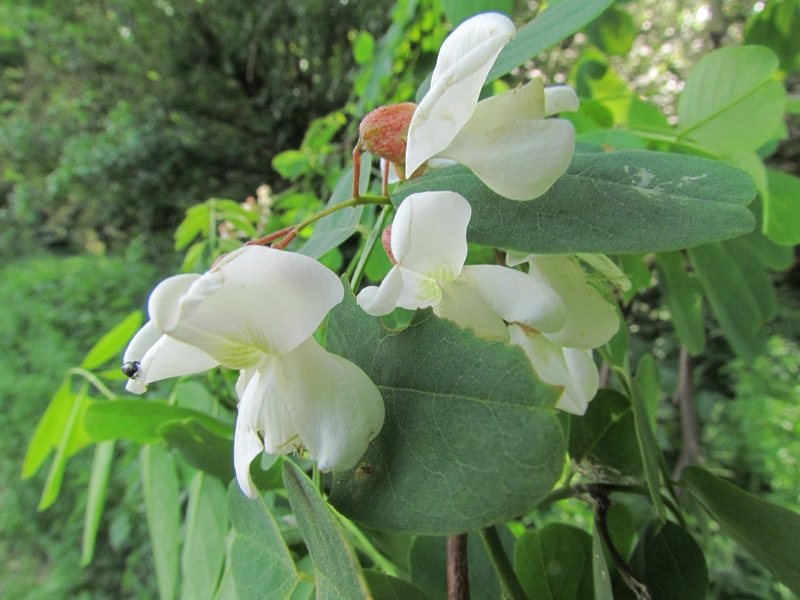
Robinia pseudoacacia is a deciduous tree that can grow up to 100 feet (30 meters) tall. It features pinnate leaves, fragrant white flowers, and long, twisting seed pods. The tree is known for its hard, durable wood that is used for furniture, flooring, and fence posts.
Plant Care Instructions
Outdoor Size Range
50-100 feet (15-30 meters)
Light Requirements
Black locust trees prefer full sun, but can tolerate partial shade.
Humidity Needs
Black locust trees are adaptable to a range of humidity levels.
Fertilizing Schedule
Black locust trees do not require fertilizer, but can benefit from a balanced fertilizer in poor soil conditions.
Pruning Guidelines
Prune black locust trees in late winter or early spring to remove dead or damaged branches and shape the tree.
Common Pests and Diseases
Black locust trees are generally resistant to pests and diseases.
Indoor Size Range
Not suitable for indoor growing
Watering Schedule
Once established, black locust trees are drought-tolerant and do not require regular watering.
Temperature Range
Black locust trees are hardy in USDA zones 4-8 and can tolerate a wide range of temperatures.
Growing Season
Black locust trees grow best in the spring and summer months.
Growing Difficulty Level
Black locust trees are easy to grow and low maintenance.
USDA Hardiness Zones
4-8
Did You Know?
Black locust trees are considered invasive in some parts of the world, including Europe and Asia, where they have been introduced as an ornamental species.
