Special Web Offer - Get 50% OFF!
Grab Your Deal Now
PlantSnap
Plant Care
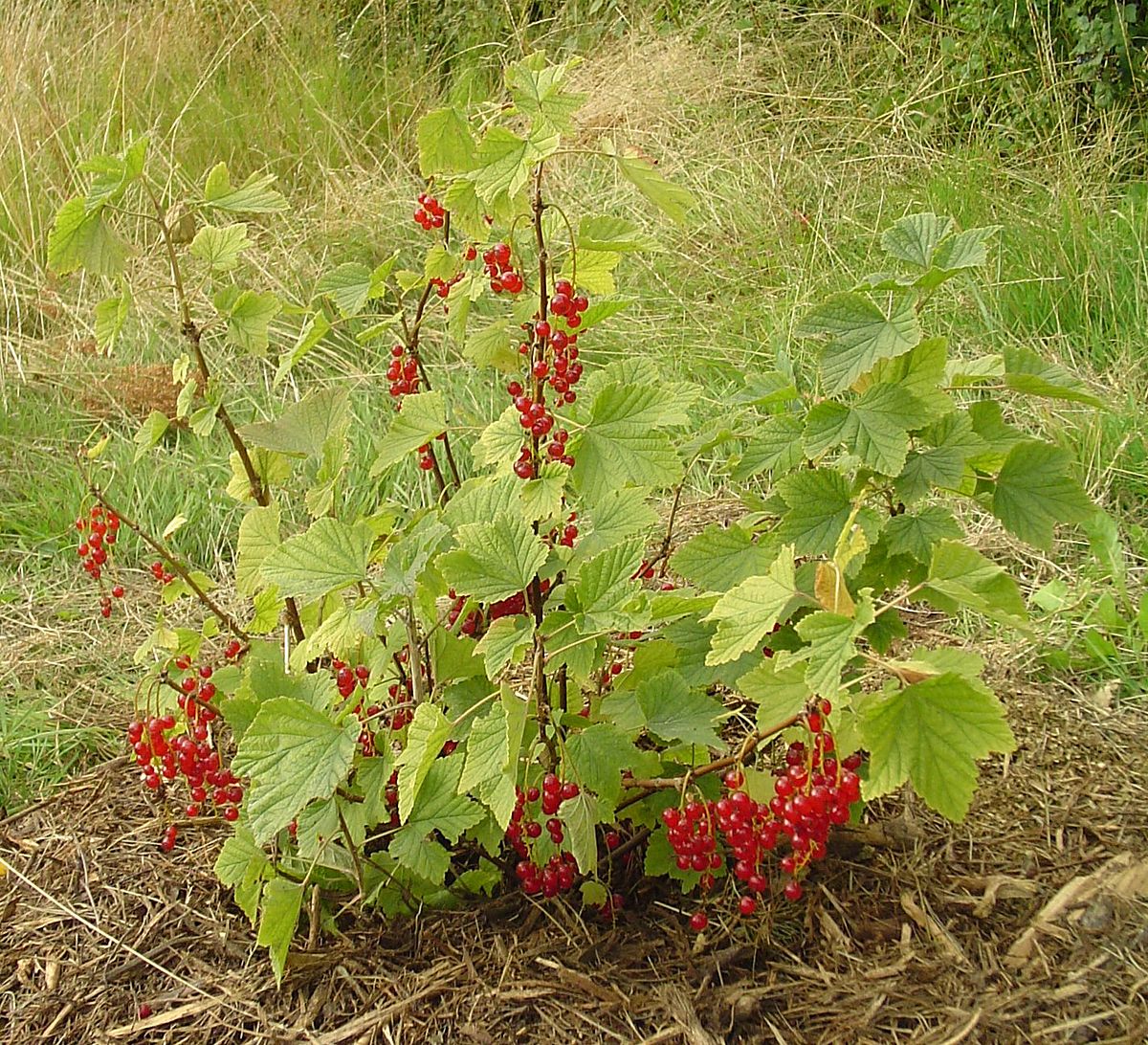
Swamp red currant
(Ribes triste)
Also Known As
Swamp red currant, Northern gooseberry, Wild gooseberry
About This Plant
Ribes triste is a deciduous shrub that grows up to 2-3 meters tall. The leaves are green and lobed with toothed margins, and the flowers are greenish-yellow and bloom in early spring. The fruit is a small, dark purple berry that is edible but not commonly consumed.
Plant Care Instructions
Outdoor Size Range
6-10 feet (1.8-3 meters)
Light Requirements
Ribes triste prefers full sun to partial shade. It can tolerate shade, but it may produce fewer flowers and fruit in these conditions.
Humidity Needs
Ribes triste prefers moderate humidity levels, but it can tolerate drier air.
Fertilizing Schedule
Fertilize Ribes triste in early spring with a balanced fertilizer. Avoid fertilizing in late summer or fall, as this can encourage new growth that may not have time to harden off before winter.
Pruning Guidelines
Prune Ribes triste in late winter or early spring before new growth appears. Remove any dead or damaged wood, and thin out crowded branches to improve air circulation and light penetration.
Common Pests and Diseases
Ribes triste is susceptible to aphids, spider mites, and currant fruit fly. It may also be affected by powdery mildew and rust diseases.
Indoor Size Range
N/A
Watering Schedule
This plant prefers consistently moist soil, but it can tolerate some drought. Water deeply once a week, or more often in hot or dry weather.
Temperature Range
This plant can tolerate a wide range of temperatures, from -40°F (-40°C) to 100°F (38°C). It is hardy in USDA zones 3-8.
Growing Season
Ribes triste blooms in early spring and produces fruit in mid to late summer.
Growing Difficulty Level
Ribes triste is relatively easy to grow, as long as it is planted in well-draining soil and receives adequate water and sunlight.
USDA Hardiness Zones
3-8
Did You Know?
Ribes triste is native to western North America, where it grows in moist forests and along streams and rivers. It is an important food source for wildlife, including bears, birds, and small mammals.