Special Web Offer - Get 50% OFF!
Grab Your Deal Now
PlantSnap
Plant Care
Redcurrant
(Ribes rubrum)
Also Known As
Redcurrant, Red currant, Ribes, Currant
About This Plant
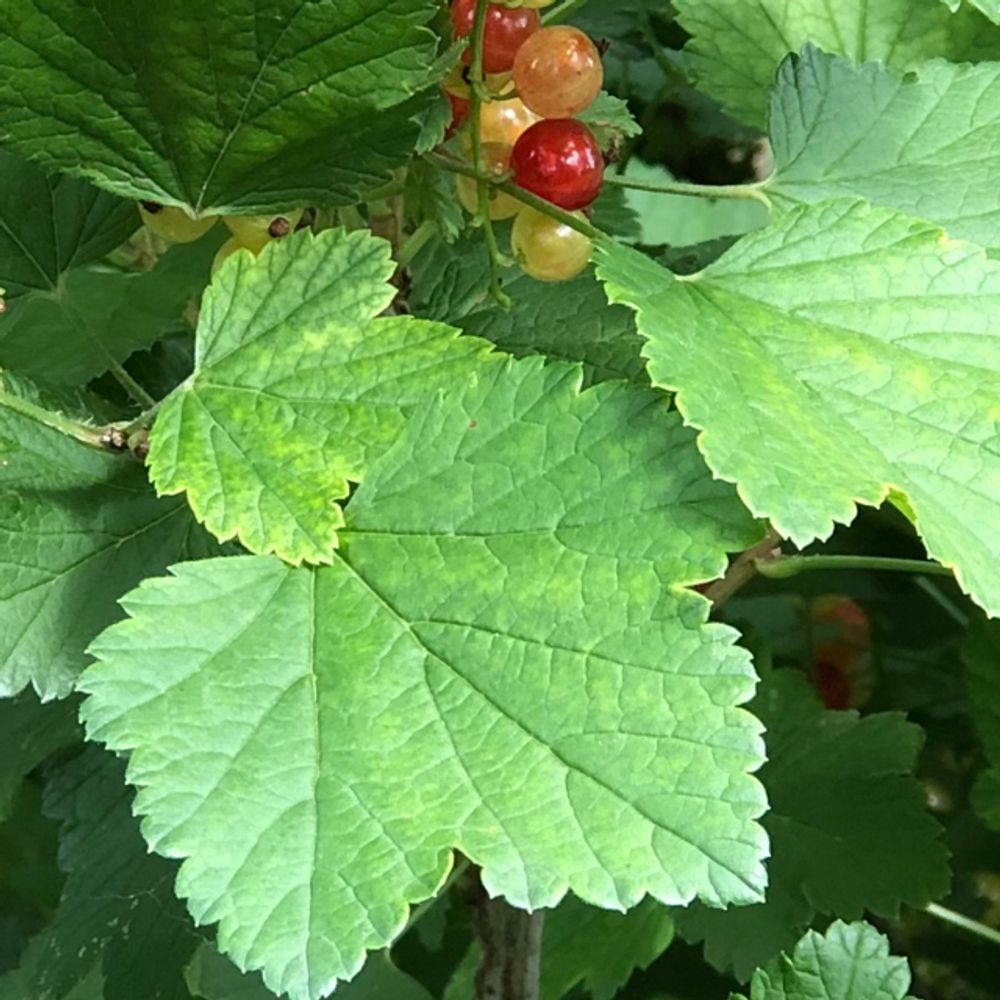
Ribes rubrum is a deciduous shrub that belongs to the Grossulariaceae family. It is commonly known as Red Currant and is native to Europe, Asia, and North America. The plant has green leaves that are lobed and toothed, and it produces small, edible red berries that are tart and juicy.
Plant Care Instructions
Outdoor Size Range
4-6 feet (1.2-1.8 m)
Light Requirements
Red Currant plants require full sun to partial shade. They should be planted in an area that receives at least 6 hours of direct sunlight per day.
Humidity Needs
Red Currant plants prefer moderate humidity levels. A humidity level of 40-60% is ideal.
Fertilizing Schedule
Fertilize Red Currant plants in early spring with a balanced fertilizer. Repeat every 4-6 weeks during the growing season.
Pruning Guidelines
Prune the plant in late winter or early spring before new growth appears. Remove any dead, damaged, or diseased wood, and thin out crowded branches to improve air circulation.
Common Pests and Diseases
Red Currant plants are susceptible to aphids, spider mites, and whiteflies. They can also be affected by powdery mildew and leaf spot.
Indoor Size Range
24-36 inches (60-91 cm)
Watering Schedule
The plant prefers consistently moist soil but does not tolerate standing water. Water deeply once a week, and more often during hot, dry weather.
Temperature Range
The plant prefers cool temperatures between 60-70°F (15-21°C). It can tolerate temperatures as low as -40°F (-40°C) and as high as 90°F (32°C).
Growing Season
Red Currant plants typically produce fruit in late spring or early summer. They are best grown in USDA hardiness zones 3-8.
Growing Difficulty Level
Red Currant plants are relatively easy to grow, but they require consistent care and attention. They are best suited for experienced gardeners.
USDA Hardiness Zones
3-8
Did You Know?
Red Currant berries are a rich source of vitamin C, containing up to four times the amount found in oranges.
