Special Web Offer - Get 50% OFF!
Grab Your Deal Now
PlantSnap
Plant Care
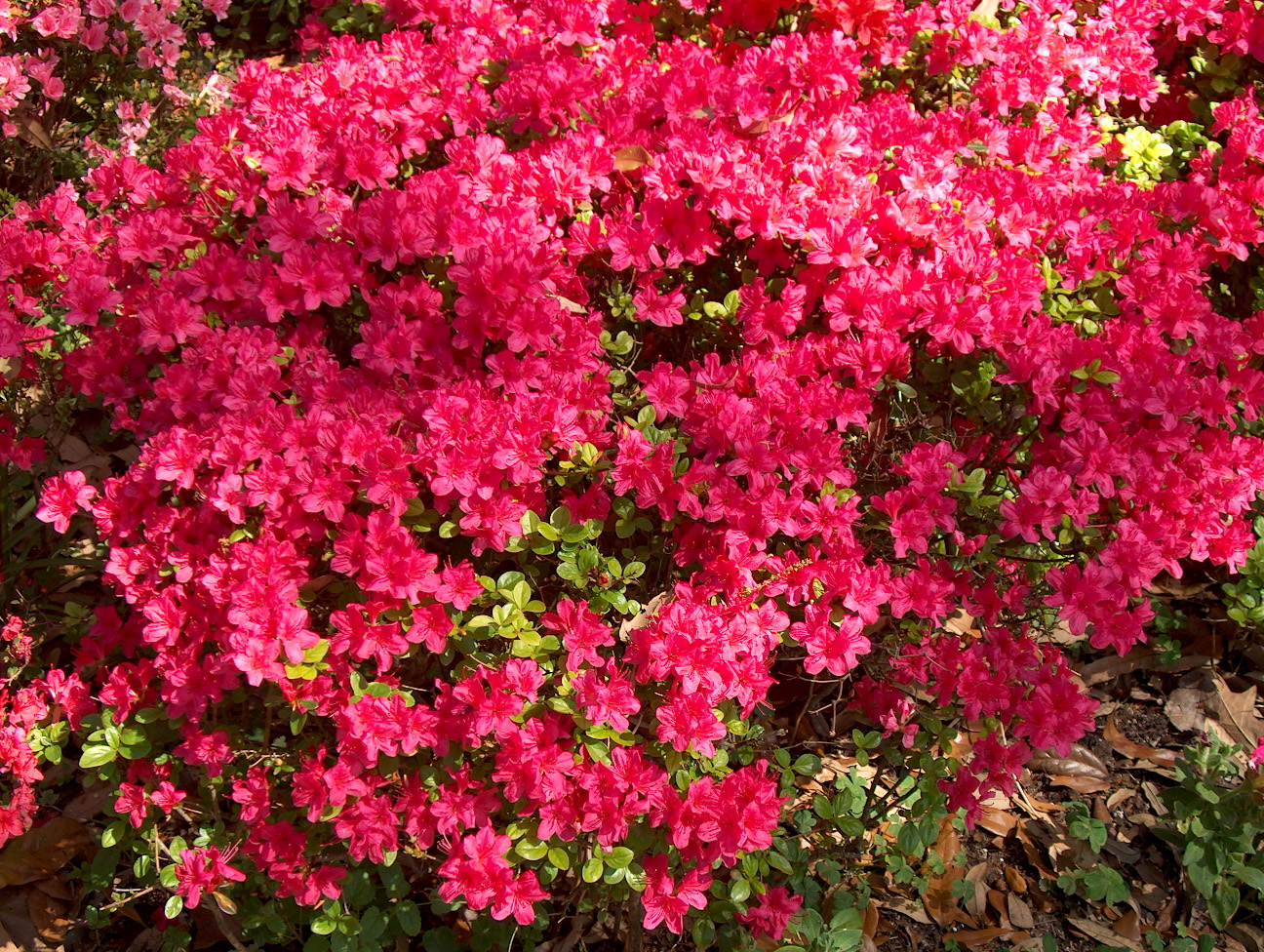
Kurume azalea
(Rhododendron obtusum)
Also Known As
Kurume azalea, Azalea, Japanese azalea
About This Plant
Rhododendron obtusum is an evergreen shrub that belongs to the heath family. It is native to Japan and is widely cultivated as an ornamental plant. The plant produces clusters of showy, funnel-shaped flowers in shades of pink, white, red, and purple.
Plant Care Instructions
Outdoor Size Range
3-6 feet (0.9-1.8 m)
Light Requirements
Rhododendron obtusum prefers partial shade to full shade. Direct sunlight can scorch the leaves and flowers.
Humidity Needs
Rhododendron obtusum prefers high humidity levels. It can benefit from misting or placing a tray of water near the plant to increase humidity.
Fertilizing Schedule
Rhododendron obtusum should be fertilized in the spring with a slow-release, acid-forming fertilizer. Avoid fertilizing in the fall or winter.
Pruning Guidelines
The plant should be pruned after flowering to maintain its shape and size. Remove any dead or diseased branches.
Common Pests and Diseases
Common pests that can affect Rhododendron obtusum include lace bugs, spider mites, and aphids. Diseases that can affect the plant include powdery mildew and root rot.
Indoor Size Range
24-36 inches (61-91 cm)
Watering Schedule
The plant prefers moist, well-drained soil. It should be watered regularly, especially during dry periods.
Temperature Range
The plant prefers cool temperatures between 60-65°F (15.5-18.3°C). It can tolerate slightly warmer temperatures, but avoid temperatures above 75°F (23.9°C).
Growing Season
The growing season for Rhododendron obtusum is in the spring and early summer when it produces its showy flowers.
Growing Difficulty Level
Rhododendron obtusum is moderately difficult to grow. It requires specific soil conditions and can be sensitive to environmental factors.
USDA Hardiness Zones
Rhododendron obtusum is hardy in USDA zones 6-9.
Did You Know?
In Japan, Rhododendron obtusum is known as tsutsuji and is celebrated in many festivals and cultural events. It is also the official flower of the city of Matsue.
