Special Web Offer - Get 50% OFF!
Grab Your Deal Now
PlantSnap
Plant Care
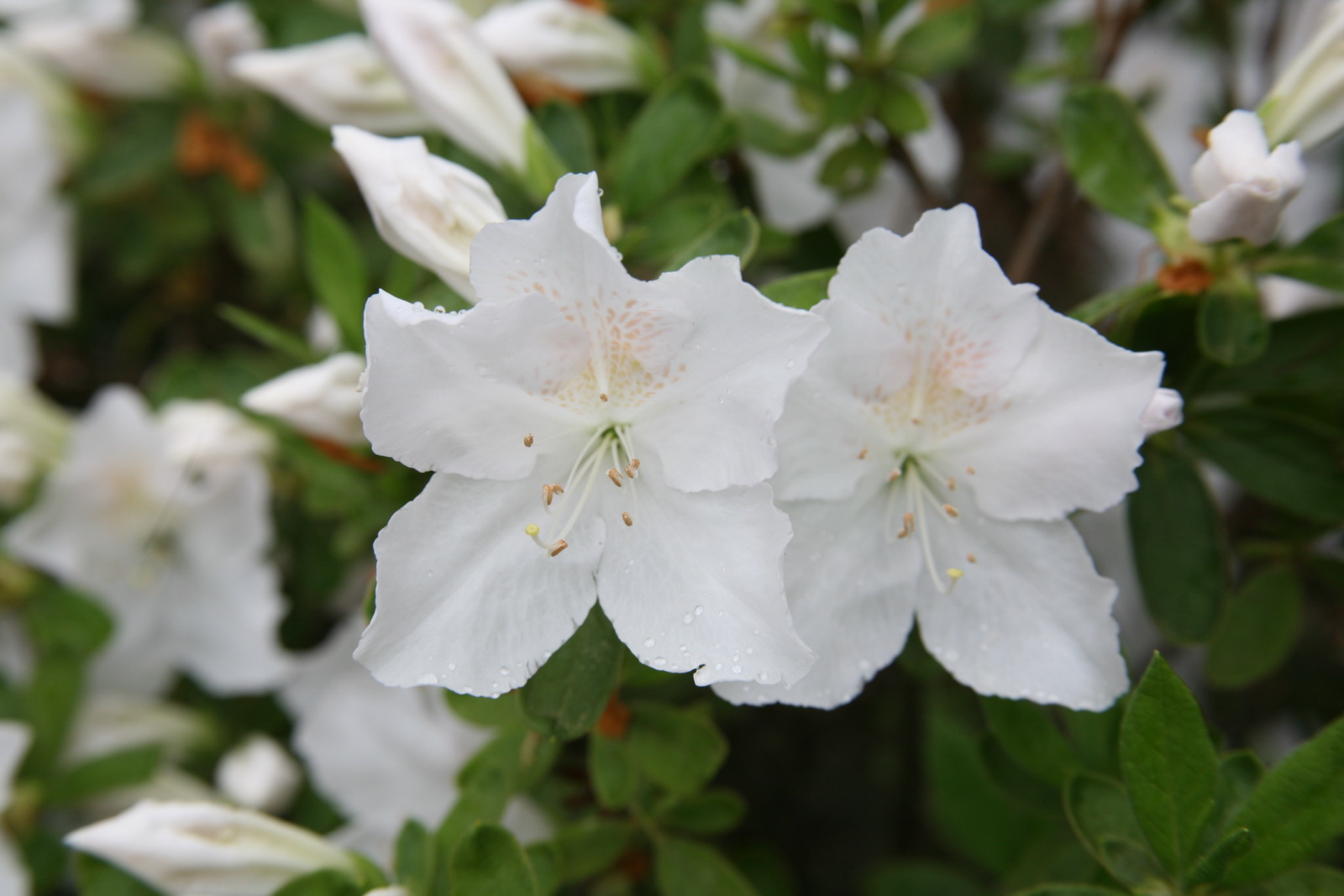
Snow azalea
(Rhododendron mucronatum)
Also Known As
Snow azalea, Acidanthera, Mucronate rhododendron
About This Plant
Rhododendron mucronatum is an evergreen shrub that belongs to the Ericaceae family. It is native to the Himalayas, where it grows at altitudes between 2,400 and 4,000 meters. The plant has dark green leaves and produces clusters of pink or white flowers in the spring.
Plant Care Instructions
Outdoor Size Range
6-12 feet (1.8-3.7 meters) tall and wide
Light Requirements
Rhododendron mucronatum prefers partial shade to full sun. It can tolerate full shade, but it may not flower as well.
Humidity Needs
Rhododendron mucronatum prefers high humidity levels. Misting the leaves or placing a tray of water near the plant can help to increase humidity.
Fertilizing Schedule
Rhododendron mucronatum requires regular fertilization during the growing season. A balanced fertilizer with a ratio of 10-10-10 is recommended. Fertilizer should be applied in early spring and again in early summer.
Pruning Guidelines
Pruning should be done after flowering. Rhododendron mucronatum produces flowers on the previous year's growth, so pruning in the fall or winter will remove the next year's flowers.
Common Pests and Diseases
Common pests for Rhododendron mucronatum include lace bugs, spider mites, and thrips. Diseases such as powdery mildew and root rot can also affect the plant.
Indoor Size Range
Not suitable for indoor growth
Watering Schedule
The plant requires regular watering, especially during the growing season. The soil should be kept moist but not waterlogged. Watering should be reduced in the winter.
Temperature Range
The plant prefers cool temperatures and can tolerate temperatures as low as -10°C (14°F). It is not suitable for hot and humid climates.
Growing Season
The growing season for Rhododendron mucronatum is from spring to fall.
Growing Difficulty Level
Rhododendron mucronatum is moderately difficult to grow. It requires specific growing conditions and regular maintenance.
USDA Hardiness Zones
Rhododendron mucronatum is hardy to USDA zones 7-9.
Did You Know?
Rhododendron mucronatum is the national flower of Nepal.
