Special Web Offer - Get 50% OFF!
Grab Your Deal Now
PlantSnap
Plant Care
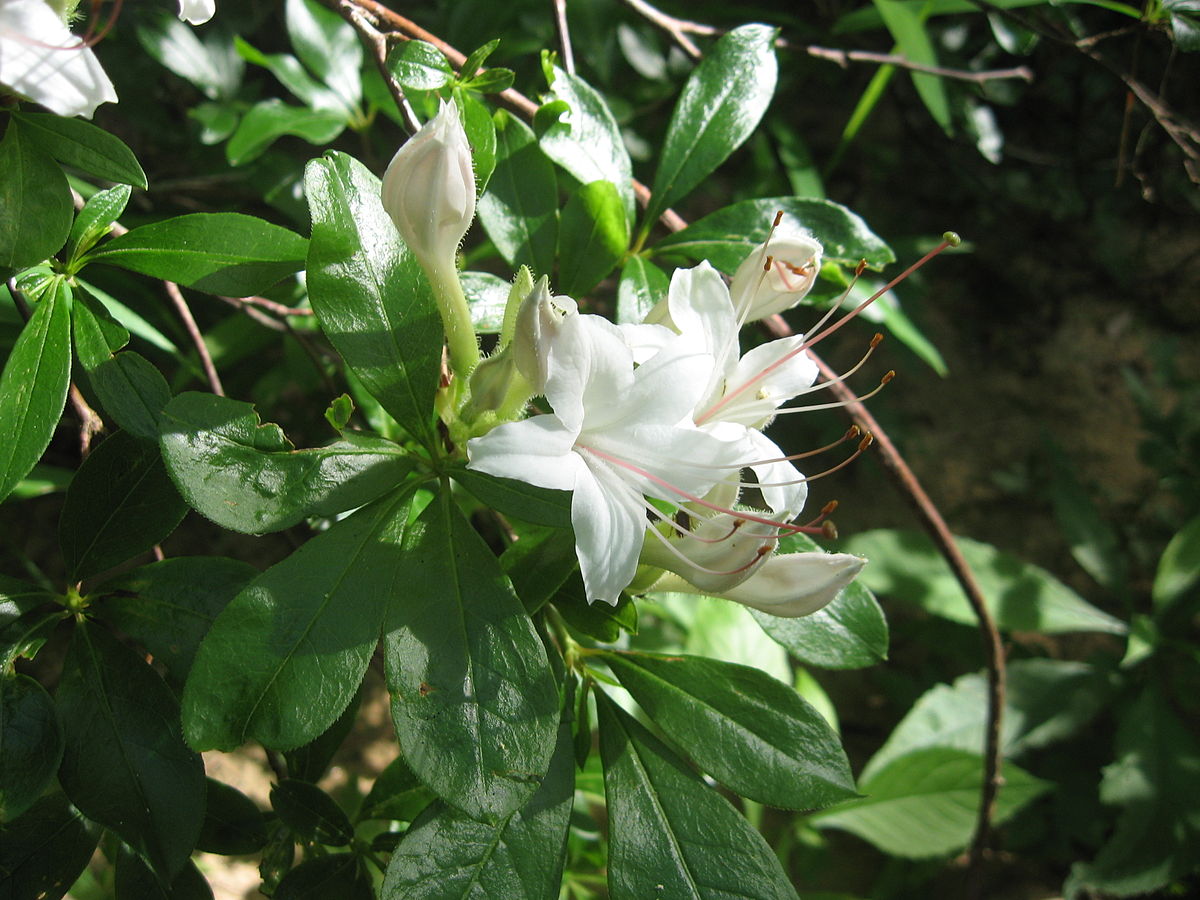
Smooth azalea
(Rhododendron arborescens)
Also Known As
Smooth azalea, Rosebay rhododendron, Acadian rhododendron, Tree rhododendron
About This Plant
Rhododendron arborescens is a species of flowering plant in the heath family Ericaceae, native to the Appalachian Mountains of eastern North America. It is a deciduous shrub growing up to 6 m (20 ft) tall. The leaves are elliptic to oblong, 6–12 cm (2.4–4.7 in) long and 3–5 cm (1.2–2.0 in) wide. The flowers are white, often with a pink tinge, and are produced in large inflorescences of 10-25 flowers.
Plant Care Instructions
Outdoor Size Range
4-6 feet (1.2-1.8 meters)
Light Requirements
Rhododendron arborescens prefers partial shade to full sun. In areas with hot summers, it should be planted in a location with afternoon shade.
Humidity Needs
It prefers high humidity levels, so it is recommended to mist the leaves regularly or place a humidifier nearby.
Fertilizing Schedule
Fertilize in early spring before new growth begins, using a slow-release, balanced fertilizer. Rhododendrons are sensitive to high levels of salts, so it is important not to over-fertilize.
Pruning Guidelines
Prune after flowering to shape the plant and remove any dead or diseased wood. Avoid pruning in late summer or fall, as this can remove the flower buds for the following year.
Common Pests and Diseases
Common pests include lacebugs, spider mites, and azalea caterpillars. Diseases include powdery mildew, leaf spot, and root rot.
Indoor Size Range
Not suitable for indoor cultivation
Watering Schedule
Keep the soil consistently moist, but not waterlogged. Water deeply and regularly, especially during dry spells.
Temperature Range
It is hardy in USDA zones 5-8 and can tolerate temperatures as low as -20°F (-29°C).
Growing Season
The growing season for Rhododendron arborescens is from spring to fall.
Growing Difficulty Level
Rhododendron arborescens is moderately difficult to grow, as it requires specific growing conditions and is susceptible to pests and diseases.
USDA Hardiness Zones
5-8
Did You Know?
Rhododendron arborescens is the state flower of West Virginia.
