Special Web Offer - Get 50% OFF!
Grab Your Deal Now
PlantSnap
Plant Care
Asiatic mangrove
(Rhizophora mucronata)
Also Known As
Asiatic mangrove, Red mangrove, Mangrove apple, Mucronate mangrove
About This Plant
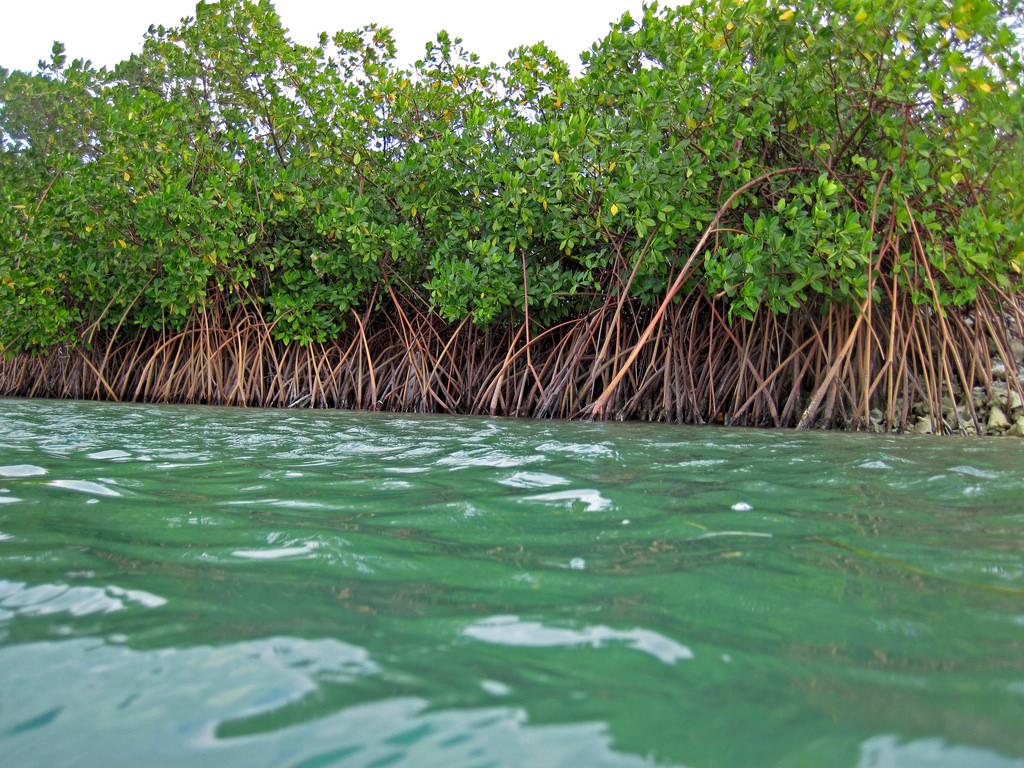
Rhizophora mucronata is a species of mangrove tree that grows up to 30 meters in height. It is characterized by its aerial roots which emerge from the trunk and branches, and its leaves which are thick and leathery. The flowers are small and white, and the fruit is a greenish-brown capsule that contains a single seed.
Plant Care Instructions
Outdoor Size Range
Up to 100 feet (30 meters) in height and 20 feet (6 meters) in width
Light Requirements
Rhizophora mucronata requires full sun to partial shade.
Humidity Needs
Rhizophora mucronata requires high humidity levels, ideally around 80-90%. It is important to ensure good air circulation to prevent the growth of mold and mildew.
Fertilizing Schedule
Fertilizer is not necessary for Rhizophora mucronata as it obtains nutrients from the surrounding soil and water.
Pruning Guidelines
Pruning is not necessary for Rhizophora mucronata, but dead or damaged branches can be removed as needed.
Common Pests and Diseases
Common pests of Rhizophora mucronata include mealybugs, scale insects, and spider mites. Diseases such as leaf spot and root rot can also occur.
Indoor Size Range
Not suitable for indoor growth
Watering Schedule
This plant species requires frequent watering as it grows in a wet environment. The soil should be kept moist but not waterlogged.
Temperature Range
Rhizophora mucronata thrives in warm temperatures, ideally between 70-90°F (21-32°C).
Growing Season
Rhizophora mucronata can grow year-round in its natural habitat.
Growing Difficulty Level
Rhizophora mucronata is moderately difficult to grow as it requires specific environmental conditions and is not suitable for indoor growth.
USDA Hardiness Zones
Rhizophora mucronata is not suitable for USDA hardiness zones as it requires tropical or subtropical conditions.
Did You Know?
The aerial roots of Rhizophora mucronata not only provide structural support, but also help the plant to obtain oxygen in the waterlogged soil.