Special Web Offer - Get 50% OFF!
Grab Your Deal Now
PlantSnap
Plant Care
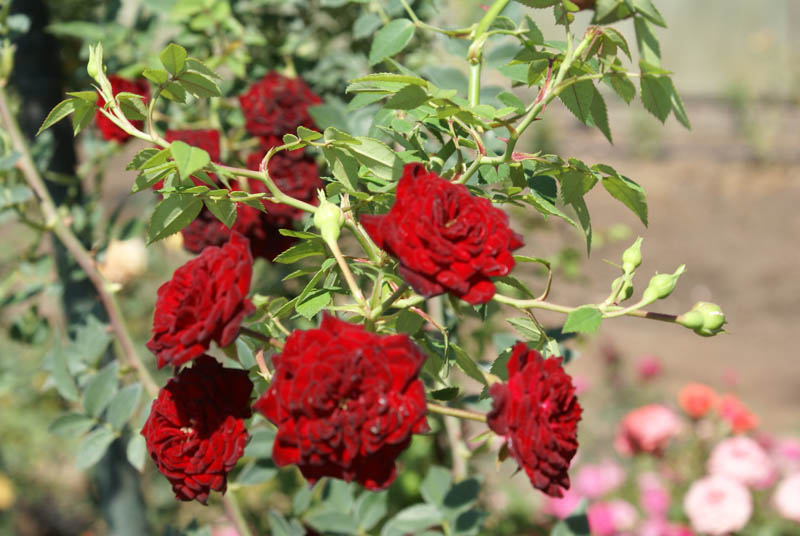
Climbing red cascade
(Red Cascade)
Also Known As
Climbing red cascade, Red cascade weeping cherry, Weeping cherry tree, Prunus serrulata 'red cascade'
About This Plant
The Red Cascade plant species is a trailing plant that produces vibrant red flowers. It is a member of the Begonia family and is known for its cascading growth habit.
Plant Care Instructions
Outdoor Size Range
12-18 inches (30-45 cm)
Light Requirements
The Red Cascade plant species prefers bright, indirect light. Direct sunlight can scorch the leaves and flowers.
Humidity Needs
The plant thrives in high humidity environments. It is recommended to mist the plant regularly or place it on a tray of pebbles and water to increase humidity levels.
Fertilizing Schedule
The plant benefits from regular fertilization during the growing season with a balanced fertilizer. It is recommended to dilute the fertilizer to half strength and apply every 2-4 weeks.
Pruning Guidelines
The plant benefits from regular pruning to maintain its shape and promote bushier growth. Deadheading spent blooms will encourage the plant to produce more flowers.
Common Pests and Diseases
Common pests for the Red Cascade plant species include spider mites, mealybugs, and thrips. It is important to inspect the plant regularly and treat any infestations promptly.
Indoor Size Range
6-12 inches (15-30 cm)
Watering Schedule
The plant requires moderate watering. The soil should be kept consistently moist, but not waterlogged. Overwatering can lead to root rot.
Temperature Range
The Red Cascade plant species prefers temperatures between 60-75°F (15-24°C). It should be kept away from cold drafts and extreme temperatures.
Growing Season
The plant species blooms from late spring to early fall.
Growing Difficulty Level
The Red Cascade plant species is moderately difficult to grow. It requires consistent care and attention to thrive.
USDA Hardiness Zones
The Red Cascade plant species is hardy in USDA zones 10-11.
Did You Know?
The Red Cascade plant species was first discovered in Bolivia in the 1800s and has since become a popular ornamental plant worldwide.
