Special Web Offer - Get 50% OFF!
Grab Your Deal Now
PlantSnap
Plant Care
Persian buttercup
(Ranunculus asiaticus)
Also Known As
Persian buttercup, Asian buttercup, Ranunculus
About This Plant
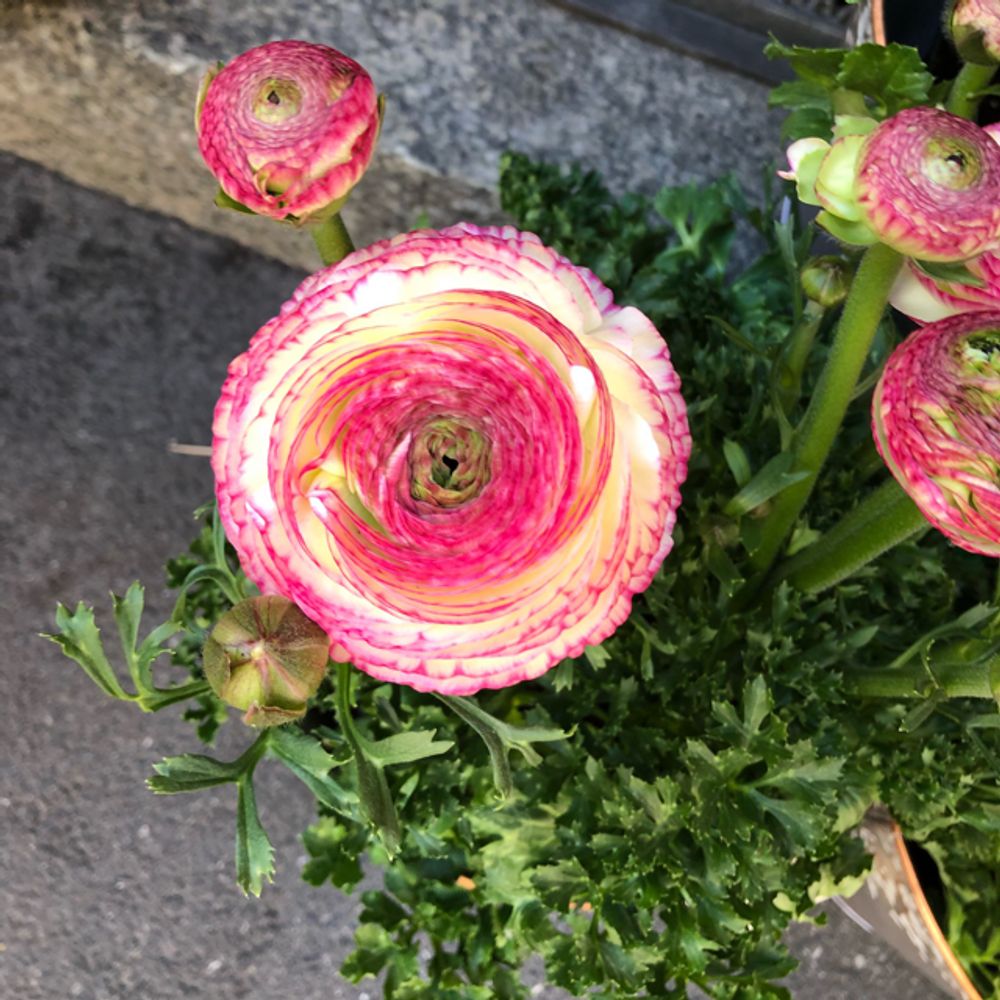
Ranunculus asiaticus is a herbaceous perennial plant species that belongs to the family Ranunculaceae. It is native to the eastern Mediterranean region and southwestern Asia. The plant grows up to a height of 12 to 18 inches (30 to 45 cm) and produces showy, brightly colored flowers with multiple layers of delicate petals.
Plant Care Instructions
Outdoor Size Range
12 to 18 inches (30 to 45 cm)
Light Requirements
Ranunculus asiaticus requires full sun to partial shade. It grows best in areas with bright, indirect light.
Humidity Needs
The plant prefers moderate humidity levels between 40% to 60%.
Fertilizing Schedule
The plant requires regular feeding with a balanced fertilizer during the growing season. It is important to avoid overfertilizing as it can lead to excessive foliage growth and reduced flowering.
Pruning Guidelines
The plant requires regular deadheading to promote continuous blooming. It is also important to remove any damaged or diseased foliage to prevent the spread of diseases.
Common Pests and Diseases
Common pests that affect Ranunculus asiaticus include aphids, spider mites, and thrips. The plant is also susceptible to fungal diseases such as powdery mildew and botrytis blight.
Indoor Size Range
12 to 18 inches (30 to 45 cm)
Watering Schedule
The plant requires regular watering to keep the soil moist but not waterlogged. It is important to avoid overwatering as it can cause root rot.
Temperature Range
Ranunculus asiaticus grows best in temperatures between 50°F to 60°F (10°C to 15°C). It can tolerate temperatures up to 75°F (24°C) but can suffer in hot and humid conditions.
Growing Season
The growing season for Ranunculus asiaticus is from late winter to early spring.
Growing Difficulty Level
Ranunculus asiaticus can be moderately difficult to grow as it requires specific growing conditions and regular care. However, with proper care, it can produce beautiful, long-lasting blooms.
USDA Hardiness Zones
Ranunculus asiaticus is hardy in USDA zones 8 to 10.
Did You Know?
The Persian buttercup is a popular cut flower and is often used in floral arrangements due to its vibrant colors and delicate petals.
