Special Web Offer - Get 50% OFF!
Grab Your Deal Now
PlantSnap
Plant Care
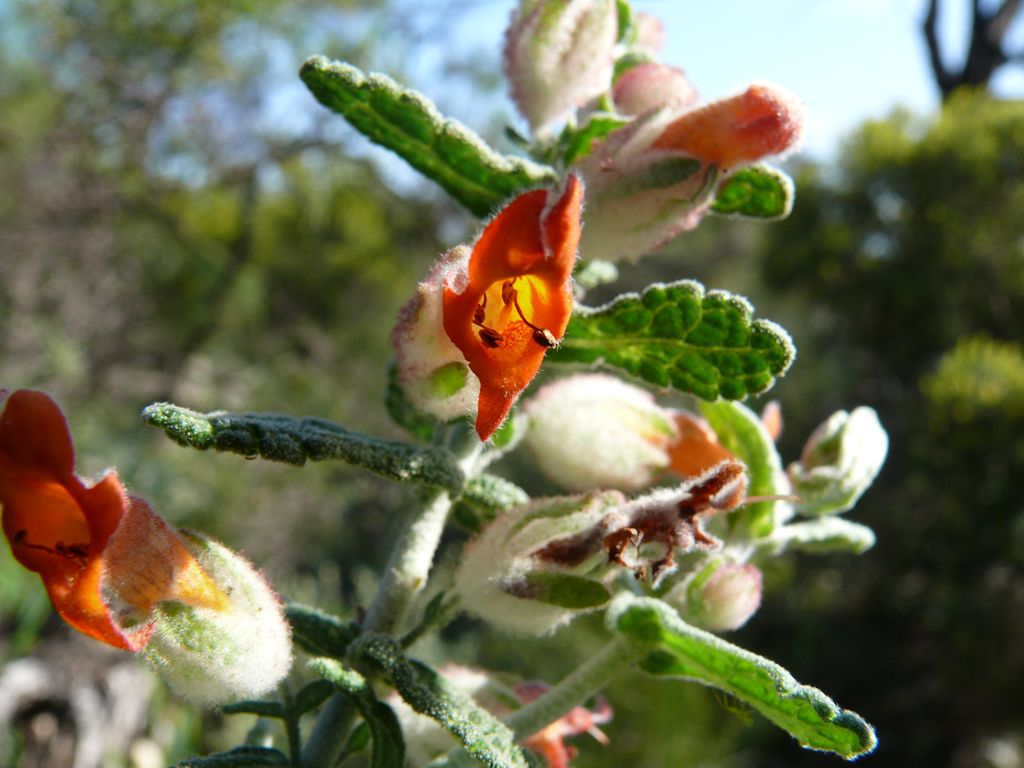
Sinum angustifolium
(Quoya dilatata)
Also Known As
Sinum angustifolium, Antarctic quoya, Dilatata
About This Plant
Quoya dilatata is a species of flowering plant in the family Melastomataceae, native to Ecuador and Peru. It is a shrub or small tree that can grow up to 6 meters tall. The plant produces small, pink flowers that bloom in clusters.
Plant Care Instructions
Outdoor Size Range
Can grow up to 6 meters (20 feet)
Light Requirements
Quoya dilatata prefers bright, indirect light. It can tolerate some direct sunlight but too much can burn the leaves.
Humidity Needs
Quoya dilatata prefers high humidity levels, around 60-70%. It can benefit from misting or being placed near a humidifier.
Fertilizing Schedule
The plant benefits from regular fertilization during the growing season (spring and summer). A balanced fertilizer with equal amounts of nitrogen, phosphorus, and potassium can be used.
Pruning Guidelines
Pruning can be done to maintain the shape and size of the plant. It is best to prune in the spring before new growth appears.
Common Pests and Diseases
Common pests for Quoya dilatata include spider mites, mealybugs, and scale insects. It can also be susceptible to fungal diseases if overwatered.
Indoor Size Range
Not suitable for indoor growth
Watering Schedule
The plant requires regular watering, but the soil should be allowed to dry out slightly between waterings. It is important not to overwater as this can lead to root rot.
Temperature Range
The plant prefers warm temperatures between 18-27°C (65-80°F). It can tolerate cooler temperatures but should not be exposed to frost.
Growing Season
The growing season for Quoya dilatata is in the spring and summer months.
Growing Difficulty Level
Quoya dilatata is considered moderately difficult to grow. It requires specific conditions such as high humidity and warm temperatures. Overwatering can also be an issue.
USDA Hardiness Zones
Quoya dilatata is not rated for USDA hardiness zones as it is not a native plant of the United States.
Did You Know?
Quoya dilatata is known for its medicinal properties and has been used in traditional medicine to treat various ailments such as diarrhea and fever.