Special Web Offer - Get 50% OFF!
Grab Your Deal Now
PlantSnap
Plant Care
Quesnelia
(Quesnelia quesnelioides)
Also Known As
Quesnelia, Quesnel's bromeliad, Quesnelia guzmania
About This Plant
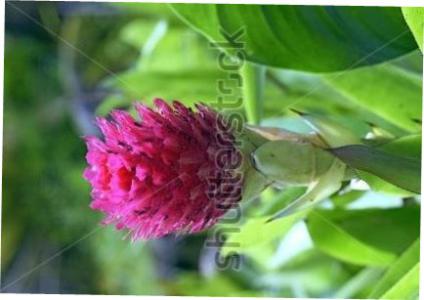
Quesnelia quesnelioides is a species of flowering plant in the bromeliad family, native to Brazil. It is an epiphytic plant, meaning it grows on trees in its natural habitat. The plant has long, narrow leaves that are green with reddish-brown stripes. It produces a tall, upright inflorescence with bright yellow flowers.
Plant Care Instructions
Outdoor Size Range
18-24 inches (45-60 cm)
Light Requirements
Quesnelia quesnelioides prefers bright, indirect light. It can tolerate some direct sunlight, but too much can burn the leaves.
Humidity Needs
This plant prefers high humidity levels, so it is recommended to place a tray of water near the plant or use a humidifier.
Fertilizing Schedule
Fertilize the plant with a balanced, water-soluble fertilizer every 2-3 months during the growing season.
Pruning Guidelines
Remove any dead or damaged leaves as needed. The plant does not require extensive pruning.
Common Pests and Diseases
Common pests for Quesnelia quesnelioides include mealybugs and spider mites. It can also be susceptible to root rot if overwatered.
Indoor Size Range
12-18 inches (30-45 cm)
Watering Schedule
Water the plant regularly, keeping the soil moist but not waterlogged. It can also absorb water through its leaves, so misting the plant occasionally can be beneficial.
Temperature Range
The ideal temperature range for Quesnelia quesnelioides is between 60-80°F (16-27°C). It cannot tolerate temperatures below 50°F (10°C).
Growing Season
Quesnelia quesnelioides can be grown year-round, but it may grow more slowly during the winter months.
Growing Difficulty Level
Quesnelia quesnelioides is considered a moderately difficult plant to grow. It requires specific conditions to thrive, such as high humidity and bright, indirect light.
USDA Hardiness Zones
Quesnelia quesnelioides is not cold hardy and can only be grown outdoors in USDA hardiness zones 10-12.
Did You Know?
Quesnelia quesnelioides is named after the French botanist Henri Quesnel, who discovered the plant in Brazil in the 1800s.
