Special Web Offer - Get 50% OFF!
Grab Your Deal Now
PlantSnap
Plant Care
Southern live oak
(Quercus virginiana)
Also Known As
Southern live oak, Live oak, Virginia oak
About This Plant
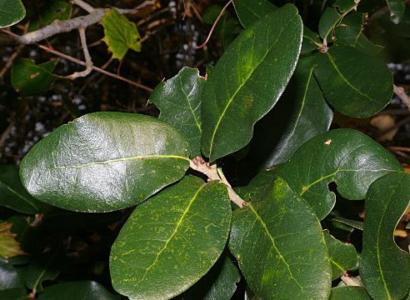
Quercus virginiana, commonly known as the southern live oak, is an evergreen tree that can grow up to 80 feet (24 meters) tall with a spread of up to 100 feet (30 meters). The tree has a broad, spreading canopy and thick, gnarled branches that give it a distinctive appearance. The leaves are dark green and leathery, and the bark is dark gray and deeply furrowed.
Plant Care Instructions
Outdoor Size Range
Height: 50-80 feet (15-24 meters), Spread: 80-100 feet (24-30 meters)
Light Requirements
Southern live oak requires full sun to partial shade for optimal growth. It is a very adaptable tree and can tolerate a wide range of light conditions.
Humidity Needs
Southern live oak tolerates a wide range of humidity levels and does not require any special humidity conditions.
Fertilizing Schedule
The tree does not require regular fertilization, but it may benefit from an annual application of a balanced fertilizer in early spring.
Pruning Guidelines
Pruning is not necessary for the tree's health, but it can be done to shape the tree or remove dead or damaged branches. Pruning should be done in late winter or early spring before new growth appears.
Common Pests and Diseases
Southern live oak is susceptible to a variety of pests and diseases, including oak wilt, root rot, and scale insects.
Indoor Size Range
Not suitable for indoor planting
Watering Schedule
The tree is drought-tolerant once established and does not require regular watering. However, during prolonged dry periods, it may benefit from occasional deep watering.
Temperature Range
The tree is hardy in USDA zones 8-10 and can tolerate a wide range of temperatures, from 10°F (-12°C) to 100°F (38°C).
Growing Season
Southern live oak grows best in the spring and fall when temperatures are mild and rainfall is abundant.
Growing Difficulty Level
Southern live oak is a relatively easy tree to grow, but it requires a large amount of space due to its size. It is best suited for large landscapes and parks.
USDA Hardiness Zones
8-10
Did You Know?
The southern live oak is the state tree of Georgia, Louisiana, and Mississippi, and is a symbol of the southern United States.
