Special Web Offer - Get 50% OFF!
Grab Your Deal Now
PlantSnap
Plant Care
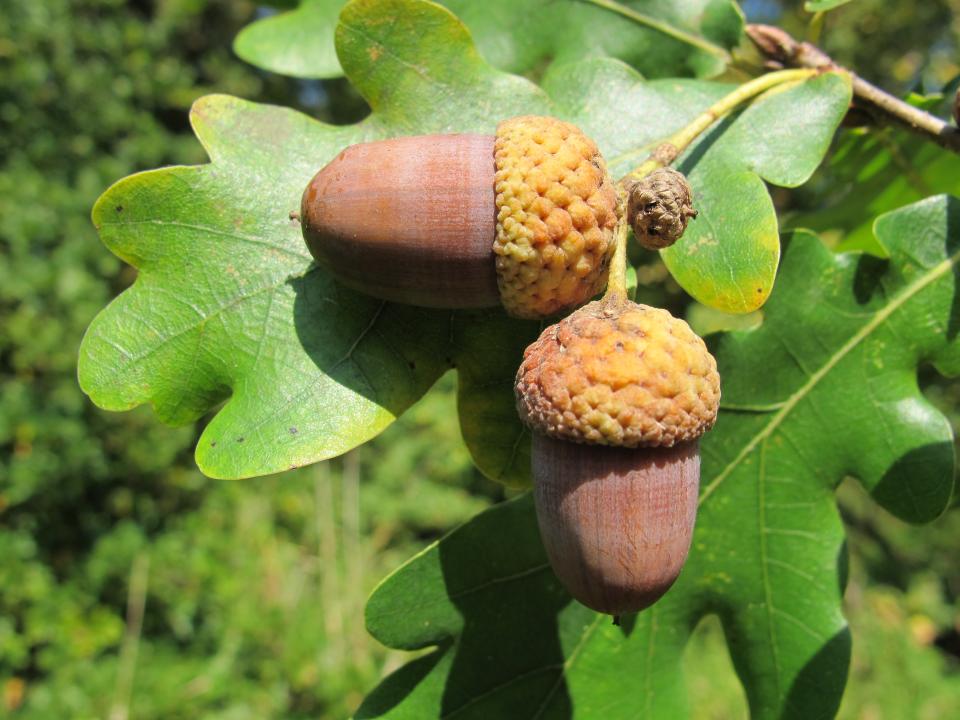
English oak
(Quercus robur)
Also Known As
English oak, Pedunculate oak, Common oak
About This Plant
Quercus robur, commonly known as the English oak, is a deciduous tree that can grow up to 40-100 feet (12-30 meters) tall and 33-82 feet (10-25 meters) wide. The tree has a broad, rounded crown with a short trunk and deeply furrowed bark. The leaves are lobed and can grow up to 4-7 inches (10-18 cm) long and 2-4 inches (5-10 cm) wide.
Plant Care Instructions
Outdoor Size Range
40-100 feet (12-30 meters) tall and 33-82 feet (10-25 meters) wide
Light Requirements
The English oak prefers full sun to partial shade, and can tolerate a range of light conditions.
Humidity Needs
The English oak can tolerate a range of humidity levels.
Fertilizing Schedule
The tree does not require regular fertilization, but can benefit from a slow-release fertilizer in early spring.
Pruning Guidelines
Prune in late winter or early spring to remove dead or damaged branches. Avoid heavy pruning, as this can damage the tree.
Common Pests and Diseases
Common pests of the English oak include gypsy moth caterpillars, oak leaf rollers, and oak wilt disease.
Indoor Size Range
Not suitable for indoor growing
Watering Schedule
The tree is drought-tolerant once established, but should be watered regularly during the first few years of growth. Avoid overwatering.
Temperature Range
The tree is hardy in USDA zones 4 to 8, and can tolerate a range of temperatures.
Growing Season
Spring and summer
Growing Difficulty Level
Moderate
USDA Hardiness Zones
4 to 8
Did You Know?
The English oak is the national tree of England and has been revered for centuries in British folklore and culture. It is also a popular tree for use in furniture-making due to its strength and durability.
