Special Web Offer - Get 50% OFF!
Grab Your Deal Now
PlantSnap
Plant Care
Downy oak
(Quercus pubescens)
Also Known As
Downy oak, Pubescent oak, White oak, Greenside oak
About This Plant
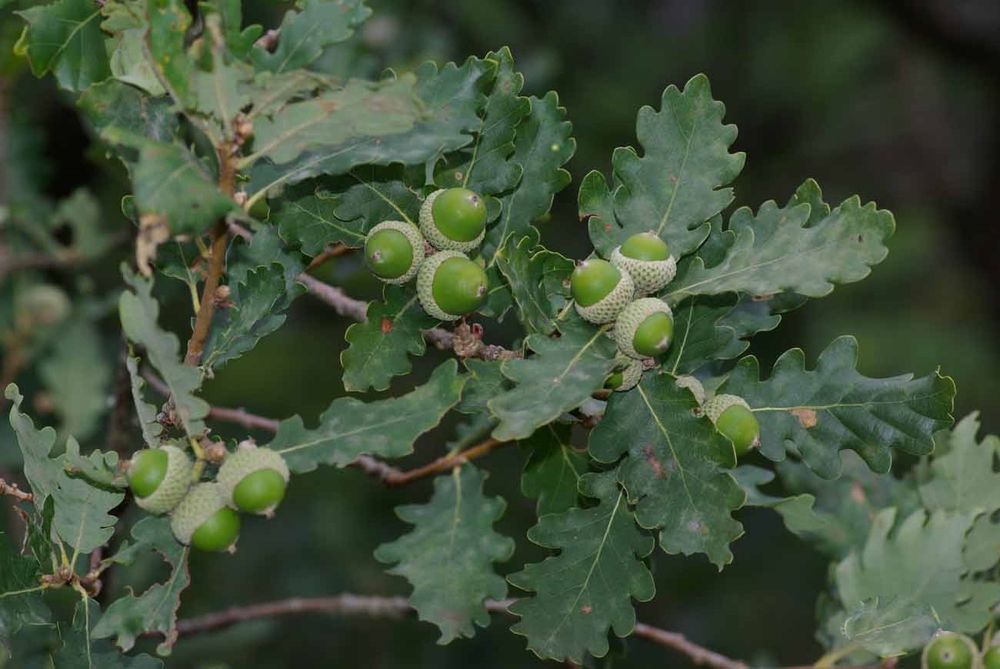
Quercus pubescens is a deciduous tree that can grow up to 20 meters tall. The bark is grey and smooth when young, becoming darker and fissured as the tree ages. The leaves are simple, alternate, and lobed, with a hairy underside. The acorns are large and round, with a shallow cap that covers less than 1/4 of the nut.
Plant Care Instructions
Outdoor Size Range
40-60 feet (12-18 meters) tall and 25-35 feet (7.6-10.7 meters) wide
Light Requirements
Full sun to partial shade. At least 4 hours of direct sunlight per day.
Humidity Needs
Doesn't require high humidity levels.
Fertilizing Schedule
No specific fertilizer requirements. Can benefit from a general-purpose fertilizer in early spring.
Pruning Guidelines
Prune in late winter or early spring to remove dead or damaged branches. Can also be pruned to maintain a desired shape or size.
Common Pests and Diseases
Susceptible to oak wilt, powdery mildew, and oak leaf blister. Can also attract oak processionary moth caterpillars, which can be a health hazard to humans and pets.
Indoor Size Range
Not suitable for indoor cultivation
Watering Schedule
Moderate watering. The soil should be kept moist but not waterlogged.
Temperature Range
Hardy to USDA zones 6-9. Can tolerate temperatures as low as -10°C (14°F) and as high as 40°C (104°F).
Growing Season
Spring and summer.
Growing Difficulty Level
Easy to grow.
USDA Hardiness Zones
6-9
Did You Know?
The Downy Oak is an important source of food for many animals, including deer, wild boar, and various bird species. The acorns were also historically used as a food source for humans, and are still used to make flour and other food products in some regions of Europe.
