Special Web Offer - Get 50% OFF!
Grab Your Deal Now
PlantSnap
Plant Care
Valley oak
(Quercus lobata)
Also Known As
Valley oak, California white oak, Roble
About This Plant
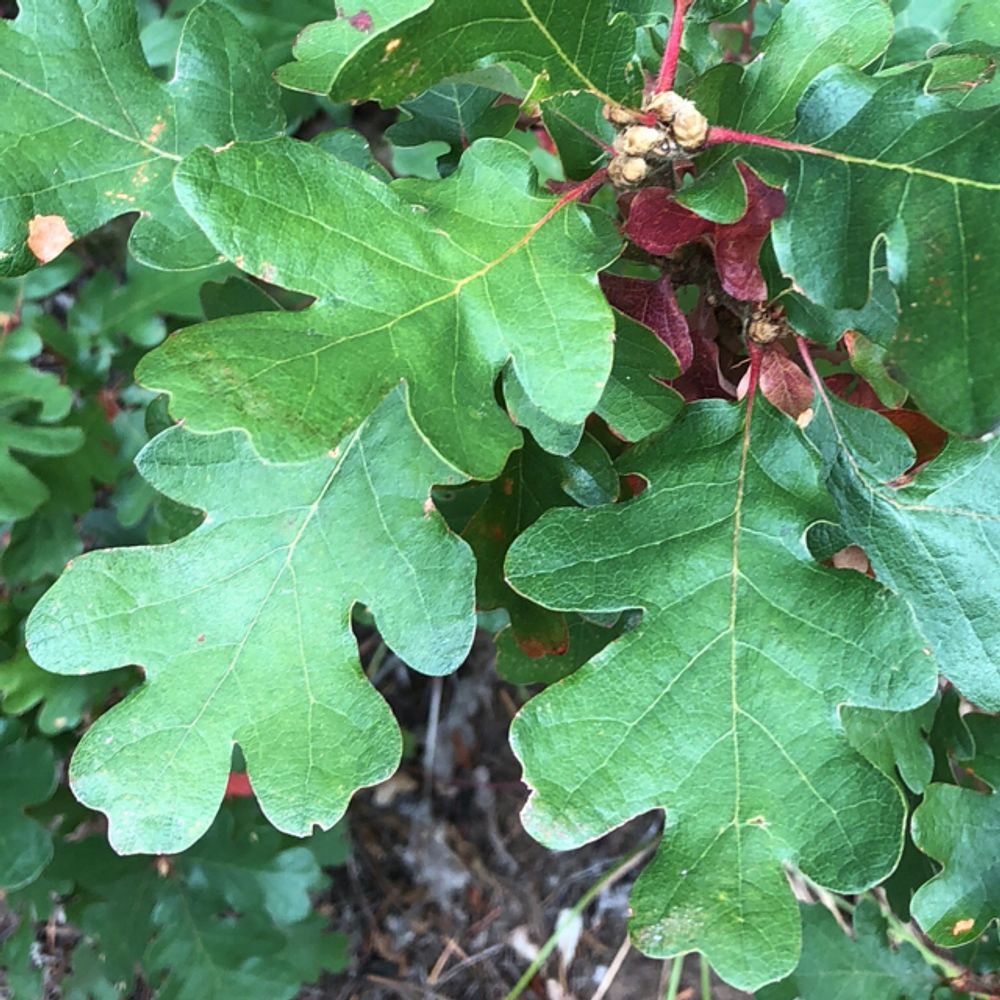
Quercus lobata, commonly known as the valley oak, is a large deciduous tree that is native to California in the United States. It is one of the tallest oaks, reaching heights of up to 100 feet (30 meters) with a trunk diameter of up to 10 feet (3 meters). The tree has a wide, spreading canopy and deeply lobed leaves that turn yellow in the fall.
Plant Care Instructions
Outdoor Size Range
60-100 feet (18-30 meters) tall and 30-60 feet (9-18 meters) wide
Light Requirements
Valley oak requires full sun exposure to thrive. It can tolerate some shade but growth will be stunted.
Humidity Needs
Valley oak does not have any specific humidity requirements.
Fertilizing Schedule
Valley oak does not require fertilization in natural settings. Fertilizer should only be applied if soil tests show a nutrient deficiency.
Pruning Guidelines
Valley oak requires minimal pruning. Remove dead or damaged branches in late winter or early spring.
Common Pests and Diseases
Valley oak is susceptible to oak root fungus, sudden oak death, and oak wilt. It is also a host plant for the California oak moth and the valley oak leafroller.
Indoor Size Range
Not suitable for indoor cultivation
Watering Schedule
Valley oak is drought tolerant once established, but it requires regular watering during the first few years of growth. Water deeply once or twice a week during the summer months.
Temperature Range
Valley oak is adapted to hot, dry summers and cool, wet winters. It can tolerate temperatures as low as 15°F (-9°C) and as high as 110°F (43°C).
Growing Season
Valley oak is dormant during the winter months and begins to grow in the spring. It produces acorns in the fall.
Growing Difficulty Level
Valley oak is relatively easy to grow in its natural habitat, but it is not suitable for small gardens or urban landscapes due to its large size.
USDA Hardiness Zones
Valley oak is hardy in USDA zones 7-10.
Did You Know?
Valley oak is the largest oak in California and is an important part of the state's ecosystem, providing habitat for many species of birds and mammals.