Special Web Offer - Get 50% OFF!
Grab Your Deal Now
PlantSnap
Plant Care
Scarlet oak
(Quercus coccinea)
Also Known As
Scarlet oak, Red oak, Spanish oak
About This Plant
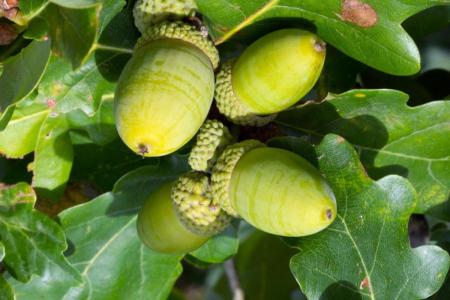
Quercus coccinea is a deciduous tree that typically grows to be 70-80 feet (21-24 meters) tall and 50-60 feet (15-18 meters) wide. It has a broad, rounded crown and deeply lobed leaves that turn a vibrant red in the fall. The tree produces acorns that are an important food source for wildlife.
Plant Care Instructions
Outdoor Size Range
70-80 feet (21-24 meters) tall and 50-60 feet (15-18 meters) wide
Light Requirements
Scarlet Oaks prefer full sun to partial shade. They require at least 6 hours of direct sunlight per day.
Humidity Needs
Scarlet Oaks do not have any specific humidity requirements.
Fertilizing Schedule
Scarlet Oaks do not require regular fertilization, but a slow-release fertilizer can be applied in the spring to promote healthy growth.
Pruning Guidelines
Pruning should be done in the winter when the tree is dormant. Dead or diseased branches should be removed, and the tree can be shaped as desired.
Common Pests and Diseases
Scarlet Oaks are susceptible to a variety of pests and diseases, including oak wilt, cankers, and borers.
Indoor Size Range
Not suitable for indoor growth
Watering Schedule
These trees prefer well-draining soil, but they require regular watering during the first few years of growth. Once established, they are drought-tolerant and only need supplemental watering during extended dry periods.
Temperature Range
These trees are hardy in USDA zones 4-8 and can tolerate a wide range of temperatures.
Growing Season
The growing season for Scarlet Oaks is from late spring to early fall.
Growing Difficulty Level
Scarlet Oaks are relatively easy to grow and are tolerant of a wide range of growing conditions.
USDA Hardiness Zones
4-8
Did You Know?
The Scarlet Oak is the state tree of New Jersey.
