Special Web Offer - Get 50% OFF!
Grab Your Deal Now
PlantSnap
Plant Care
White oak
(Quercus alba)
Also Known As
White oak, Eastern oak, Virginians oak
About This Plant
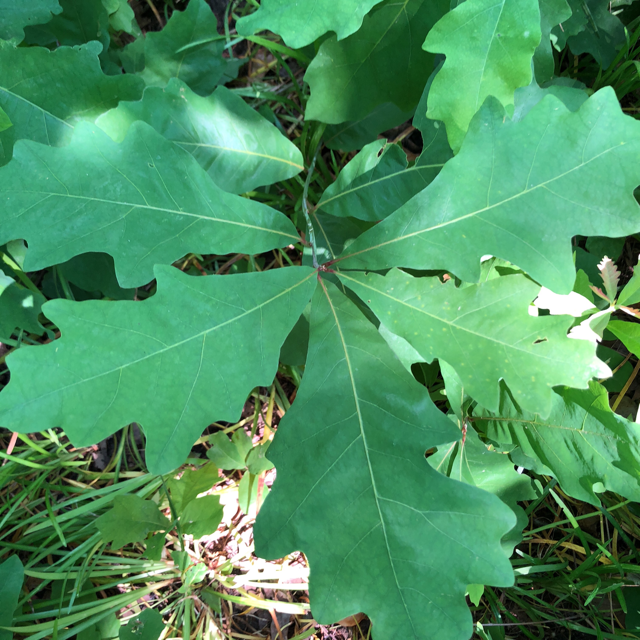
Quercus alba is a large deciduous tree and is one of the most important timber trees of the eastern United States. The tree has a straight trunk and a rounded crown, with a lifespan of up to 300 years. The bark is light gray and becomes furrowed as the tree ages. The leaves are lobed, with a waxy upper surface and a hairy lower surface. The tree produces acorns that are an important food source for many wildlife species.
Plant Care Instructions
Outdoor Size Range
50-80 feet (15-24 meters) tall, 50-80 feet (15-24 meters) wide
Light Requirements
White oaks prefer full sun to partial shade. At least 6 hours of direct sunlight is necessary for healthy growth.
Humidity Needs
White oaks can tolerate a wide range of humidity levels and do not require any specific humidity requirements.
Fertilizing Schedule
White oaks do not require regular fertilization. If the tree is growing in poor soil, a slow-release fertilizer can be applied in the spring.
Pruning Guidelines
White oaks do not require regular pruning, but dead or damaged branches should be removed as needed. Pruning should be done in the late fall or winter when the tree is dormant.
Common Pests and Diseases
White oaks are susceptible to oak wilt, which is a fungal disease that can be fatal. They are also susceptible to borers, scale insects, and galls.
Indoor Size Range
N/A
Watering Schedule
White oaks have moderate water needs and should be watered deeply once a week during dry periods. The soil should be well-draining and not overly wet.
Temperature Range
White oaks are hardy in USDA zones 3-9 and can tolerate a wide range of temperatures. They prefer cooler temperatures in the winter and warmer temperatures in the summer.
Growing Season
White oaks grow actively in the spring and summer and become dormant in the fall and winter.
Growing Difficulty Level
White oaks are relatively easy to grow and maintain, but they require a large space to grow to their full potential.
USDA Hardiness Zones
3-9
Did You Know?
The White Oak is the state tree of Connecticut, Illinois, and Maryland in the United States.
