Special Web Offer - Get 50% OFF!
Grab Your Deal Now
PlantSnap
Plant Care
Asian pear
(Pyrus pyrifolia)
Also Known As
Asian pear, Nashi pear, Chinese pear, Korean pear
About This Plant
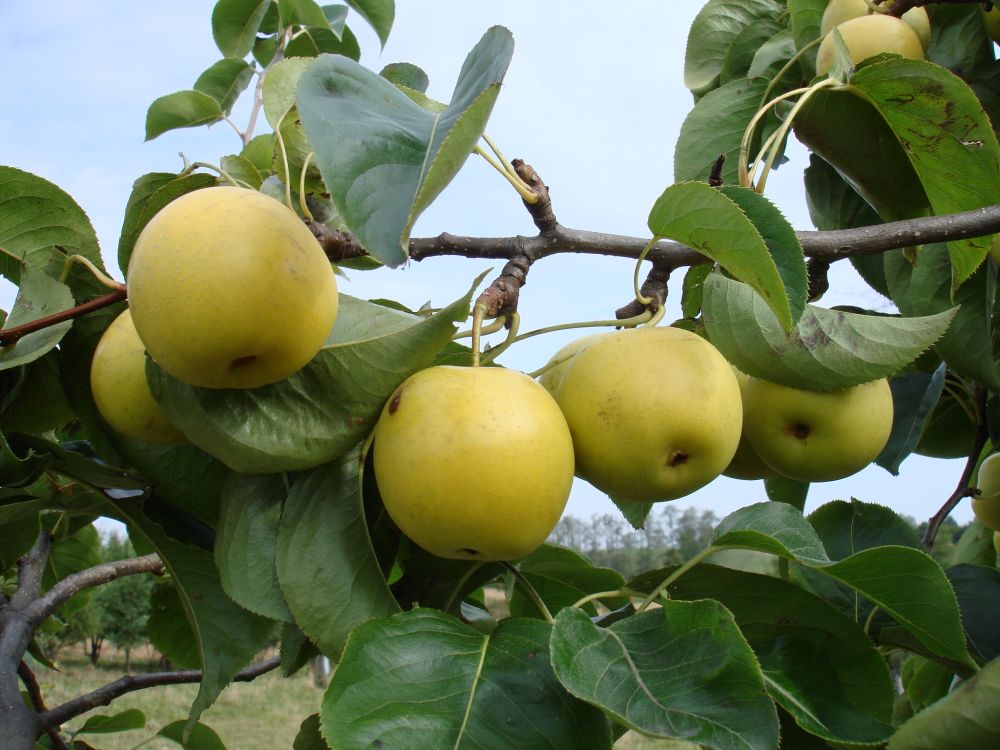
Pyrus pyrifolia is a deciduous tree that belongs to the Rosaceae family. It is native to East Asia and is widely cultivated for its edible fruit. The tree grows up to 10-30 feet (3-9 meters) in height and has a rounded crown. The leaves are glossy, dark green, and have a slightly serrated edge. The flowers are white or pink and bloom in spring.
Plant Care Instructions
Outdoor Size Range
10-30 feet (3-9 meters) in height and 10-20 feet (3-6 meters) in width
Light Requirements
Asian pear trees prefer full sun, at least 6-8 hours a day.
Humidity Needs
Asian pear trees prefer moderate humidity levels, around 50-60%. Use a humidifier if necessary.
Fertilizing Schedule
Fertilize the tree once a year in the spring with a balanced fertilizer.
Pruning Guidelines
Prune the tree in the winter to remove dead or diseased wood and to shape the tree. Thin out the branches to allow for better air circulation.
Common Pests and Diseases
Common pests include aphids, spider mites, and pear psylla. Diseases include fire blight and pear scab.
Indoor Size Range
Not suitable for indoor growth
Watering Schedule
Water regularly, especially during the growing season. Keep the soil moist but not waterlogged.
Temperature Range
Asian pear trees prefer a temperate climate. They can tolerate temperatures as low as -20°F (-29°C) and as high as 100°F (38°C).
Growing Season
The growing season for Asian pear trees is from spring to fall.
Growing Difficulty Level
Asian pear trees are moderately difficult to grow. They require regular maintenance and care.
USDA Hardiness Zones
Asian pear trees are hardy in USDA zones 5-9.
Did You Know?
The Asian pear is also known as the 'apple pear' because of its round shape and crisp, juicy texture similar to that of an apple.
