Special Web Offer - Get 50% OFF!
Grab Your Deal Now
PlantSnap
Plant Care
Common pear
(Pyrus communis)
Also Known As
Common pear, European pear, Pear
About This Plant
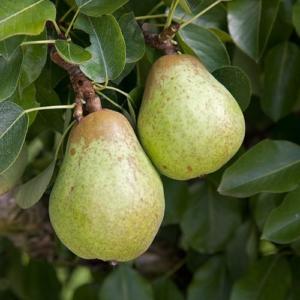
Pyrus communis is a deciduous tree that belongs to the Rosaceae family. It is widely cultivated for its fruit, known as the pear. The tree grows up to 40 feet (12 meters) tall and has a broad crown with a diameter of up to 30 feet (9 meters). The leaves are glossy green and oval-shaped, with serrated edges. The flowers are white or pink and bloom in the spring.
Plant Care Instructions
Outdoor Size Range
20-40 feet (6-12 meters) tall and 15-30 feet (4.5-9 meters) wide.
Light Requirements
The European Pear tree requires full sun to partial shade to grow well. It needs at least 6 hours of direct sunlight per day.
Humidity Needs
The European Pear tree does not have any specific humidity requirements.
Fertilizing Schedule
The tree needs regular fertilization to produce good quality fruit. Use a balanced fertilizer with equal amounts of nitrogen, phosphorus, and potassium.
Pruning Guidelines
Pruning is essential to maintain the shape of the tree and to promote fruit production. Prune in late winter or early spring before the buds start to grow.
Common Pests and Diseases
The European Pear tree is susceptible to a number of pests and diseases, including pear rust, fire blight, and pear psylla.
Indoor Size Range
Not suitable for indoor cultivation.
Watering Schedule
The tree needs regular watering, especially during the first few years of growth. It is important to keep the soil moist but not waterlogged.
Temperature Range
The tree can tolerate a wide range of temperatures, but it prefers a cool climate. It can withstand temperatures as low as -25°F (-32°C) in winter and up to 100°F (38°C) in summer.
Growing Season
The European Pear tree blooms in the spring and the fruit ripens in late summer to early fall.
Growing Difficulty Level
Moderate
USDA Hardiness Zones
USDA hardiness zones 4-9
Did You Know?
The European Pear tree is one of the oldest cultivated fruit trees in the world, with evidence of its cultivation dating back to ancient Greece and Rome.
