Special Web Offer - Get 50% OFF!
Grab Your Deal Now
PlantSnap
Plant Care
Purple crabapple
(Malus purpurea)
Also Known As
Purple crabapple, Purple apple, Crabapple
About This Plant
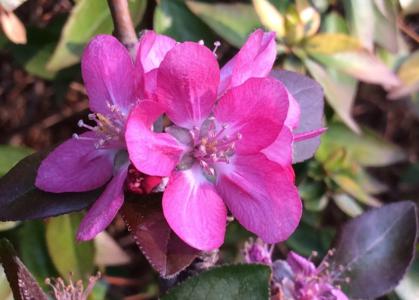
Malus purpurea is a deciduous tree that belongs to the Rosaceae family. It is native to North America and is commonly known as the purple crabapple. The tree produces small, fragrant pink flowers in the spring, followed by small, purple fruit that can persist into winter.
Plant Care Instructions
Outdoor Size Range
20-30 feet (6-9 meters) tall and wide
Light Requirements
The purple crabapple prefers full sun to partial shade.
Humidity Needs
The tree is adaptable to a range of humidity levels.
Fertilizing Schedule
Fertilize the tree in the spring with a balanced fertilizer.
Pruning Guidelines
Prune the tree in late winter to shape it and remove any dead or diseased wood.
Common Pests and Diseases
Common pests include aphids, spider mites, and apple maggots.
Indoor Size Range
N/A
Watering Schedule
Water the tree deeply once a week, or more often during hot, dry weather.
Temperature Range
The purple crabapple is hardy in USDA zones 4-8 and can tolerate a range of temperatures.
Growing Season
The growing season for the purple crabapple is spring and summer.
Growing Difficulty Level
The purple crabapple is relatively easy to grow.
USDA Hardiness Zones
4-8
Did You Know?
The purple crabapple is an important food source for birds during the winter months, as the fruit persists on the tree long after the leaves have fallen.
