Special Web Offer - Get 50% OFF!
Grab Your Deal Now
PlantSnap
Plant Care
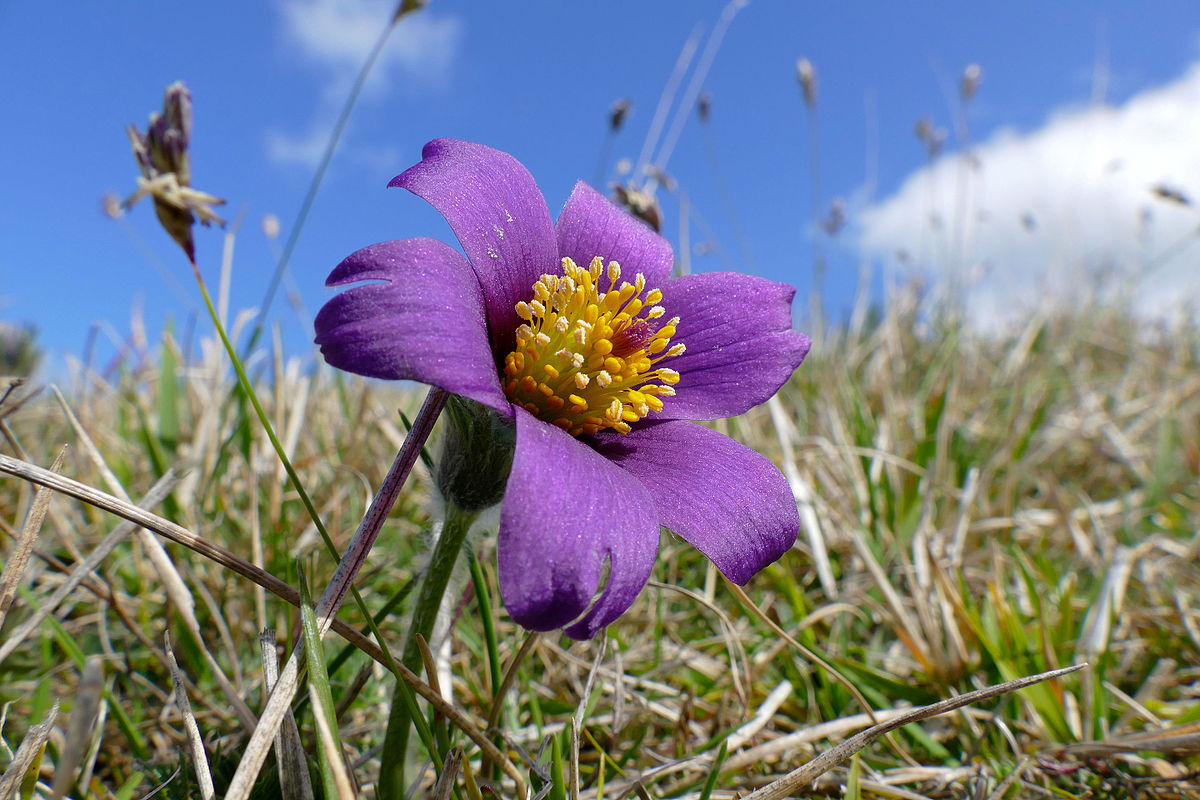
Pasque flower
(Pulsatilla vulgaris)
Also Known As
Pasque flower, Spring crocus, Anemone, Wind flower
About This Plant
Pulsatilla vulgaris is a herbaceous perennial plant species native to Europe and Asia. The plant has hairy stems and leaves and produces showy purple flowers in early spring. The flowers are followed by feathery seed heads that persist into summer. The plant is also known for its medicinal properties and has been used to treat various ailments.
Plant Care Instructions
Outdoor Size Range
8-12 inches (20-30 cm)
Light Requirements
Pasqueflowers prefer full sun to partial shade. They can tolerate some shade but may not flower as prolifically.
Humidity Needs
Pasqueflowers do not have any specific humidity requirements.
Fertilizing Schedule
Pasqueflowers do not require much fertilizer. A light application of a balanced fertilizer in early spring can help promote growth and flowering.
Pruning Guidelines
Pasqueflowers do not require much pruning. Deadheading spent flowers can help prolong the blooming period.
Common Pests and Diseases
Pasqueflowers are generally pest-free, but can be susceptible to root rot if overwatered.
Indoor Size Range
6-8 inches (15-20 cm)
Watering Schedule
Pasqueflowers prefer well-draining soil and do not like to be kept too wet. Water when the top inch of soil feels dry to the touch.
Temperature Range
Pasqueflowers are hardy plants and can tolerate a wide range of temperatures. They can survive temperatures as low as -40°F (-40°C) and as high as 90°F (32°C).
Growing Season
Pasqueflowers bloom in early spring and go dormant in summer. They can be planted in fall or early spring.
Growing Difficulty Level
Pasqueflowers are relatively easy to grow and are a good choice for beginner gardeners.
USDA Hardiness Zones
Pasqueflowers are hardy in USDA zones 3-8.
Did You Know?
Pasqueflowers are also known as 'Easter flowers' because they often bloom around the time of Easter in the Northern Hemisphere.
