Special Web Offer - Get 50% OFF!
Grab Your Deal Now
PlantSnap
Plant Care
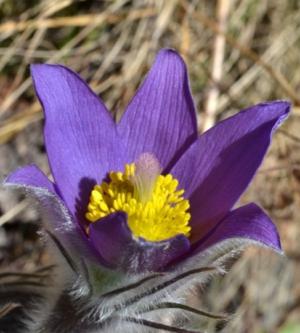
Eastern pasqueflower
(Pulsatilla patens)
Also Known As
Eastern pasqueflower, Pasque flower, Eastern pasque flower, prairie crocus, Cutleaf anemone
About This Plant
Pulsatilla patens, commonly known as pasqueflower, is a herbaceous perennial plant species native to North America. It is a member of the Ranunculaceae family and is known for its showy, bell-shaped flowers that bloom in early spring.
Plant Care Instructions
Outdoor Size Range
12-18 inches (30-45 cm)
Light Requirements
Pasqueflowers prefer full sun to partial shade. They can tolerate some shade, but too much shade can cause the plant to become leggy and produce fewer flowers.
Humidity Needs
Pasqueflowers prefer dry air and do not require high humidity levels.
Fertilizing Schedule
Pasqueflowers do not require regular fertilization. A light application of a balanced fertilizer in early spring can help promote growth and flowering.
Pruning Guidelines
Pasqueflowers do not require regular pruning. Deadheading spent flowers can help prolong the blooming period.
Common Pests and Diseases
Pasqueflowers are generally pest-free, but can be susceptible to root rot if grown in poorly-drained soil.
Indoor Size Range
6-12 inches (15-30 cm)
Watering Schedule
Pasqueflowers are drought-tolerant and do not require frequent watering. Water the plant deeply once a week during the growing season and reduce watering in the winter.
Temperature Range
Pasqueflowers are cold-hardy and can survive in temperatures as low as -40°F (-40°C). They prefer cool temperatures and do not do well in hot, humid climates.
Growing Season
Pasqueflowers bloom in early spring and have a short growing season. They go dormant in the summer and fall.
Growing Difficulty Level
Pasqueflowers are relatively easy to grow and require minimal maintenance. They are a good choice for beginner gardeners.
USDA Hardiness Zones
Pasqueflowers are hardy in USDA zones 3-8.
Did You Know?
Pasqueflowers are also known as winds flowers because they bloom early in the spring when the winds are still strong.