Special Web Offer - Get 50% OFF!
Grab Your Deal Now
PlantSnap
Plant Care
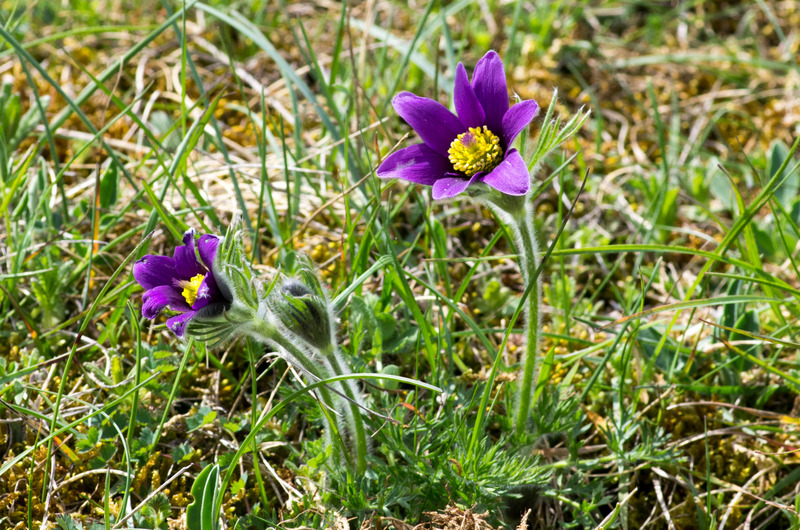
Mountain pasque flower
(Pulsatilla montana montana)
Also Known As
Mountain pasque flower, Rocky mountain pasqueflower, Prairie crocus
About This Plant
Pulsatilla montana montana is a herbaceous perennial plant species that belongs to the Ranunculaceae family. It is commonly known as Mountain Pasqueflower and is native to the mountainous regions of Europe. The plant has a basal rosette of leaves and produces large, showy flowers in shades of purple, pink, and white.
Plant Care Instructions
Outdoor Size Range
6-12 inches (15-30 cm)
Light Requirements
Pulsatilla montana montana prefers full sun to partial shade. It can tolerate some shade, but too much shade can result in weak stems and fewer flowers.
Humidity Needs
Pulsatilla montana montana prefers moderate to low humidity levels.
Fertilizing Schedule
Pulsatilla montana montana does not require regular fertilization. However, a light application of a balanced fertilizer in early spring can help promote healthy growth.
Pruning Guidelines
Deadheading spent flowers can help promote additional blooms. In the fall, the foliage can be cut back to the ground.
Common Pests and Diseases
Pulsatilla montana montana is generally not susceptible to pests or diseases. However, it can be prone to root rot if overwatered.
Indoor Size Range
N/A
Watering Schedule
This plant species prefers well-draining soil that is kept consistently moist but not waterlogged. It is important to avoid overwatering, as this can lead to root rot.
Temperature Range
This plant species can tolerate a range of temperatures, from cool to warm. It is hardy to USDA zones 4-8.
Growing Season
Pulsatilla montana montana typically blooms in the spring and early summer.
Growing Difficulty Level
Pulsatilla montana montana is considered moderately difficult to grow. It requires well-draining soil, consistent moisture, and a specific temperature range to thrive.
USDA Hardiness Zones
4-8
Did You Know?
The name 'Pasqueflower' comes from the French word 'Pâques,' which means Easter. This is because the plant typically blooms around Easter time.
