Special Web Offer - Get 50% OFF!
Grab Your Deal Now
PlantSnap
Plant Care
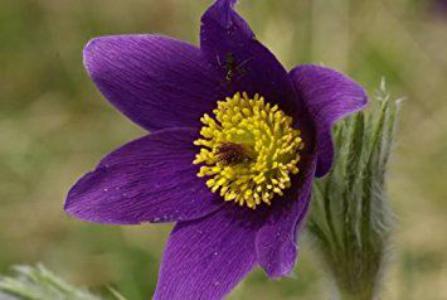
Eastern pasqueflower
(Pulsatilla halleri halleri)
Also Known As
Eastern pasqueflower, Hallers anemone, Alpine pasque flower, Mountain pasque flower
About This Plant
Pulsatilla halleri halleri is a herbaceous perennial plant that is native to the mountainous regions of central Europe. It is a member of the Ranunculaceae family, which is also known as the buttercup family. The plant has dark green leaves and produces purple flowers that bloom in the spring.
Plant Care Instructions
Outdoor Size Range
6-12 inches (15-30 cm)
Light Requirements
Haller's pasqueflower prefers full sun to partial shade. It can tolerate some shade, but too much shade can cause the plant to become leggy and produce fewer flowers.
Humidity Needs
This plant does not have any special humidity requirements.
Fertilizing Schedule
This plant does not require fertilizer, but you can apply a balanced fertilizer in the spring if you want to encourage more growth and blooms.
Pruning Guidelines
After the flowers have faded, you can deadhead the plant to encourage more blooms. In the fall, cut back the dead foliage to the ground.
Common Pests and Diseases
Haller's pasqueflower is generally not bothered by pests or diseases.
Indoor Size Range
6-12 inches (15-30 cm)
Watering Schedule
This plant prefers well-drained soil and does not like to be overwatered. Water only when the soil is dry to the touch, and avoid getting water on the leaves or flowers.
Temperature Range
Haller's pasqueflower is hardy to USDA zones 4-8 and can tolerate cold temperatures.
Growing Season
Haller's pasqueflower blooms in the spring and goes dormant in the summer.
Growing Difficulty Level
This plant is relatively easy to grow in the right conditions, but it can be difficult to find in nurseries.
USDA Hardiness Zones
4-8
Did You Know?
Haller's pasqueflower is named after Albrecht von Haller, a Swiss physician and botanist who was one of the founders of modern physiology.
