Special Web Offer - Get 50% OFF!
Grab Your Deal Now
PlantSnap
Plant Care
Alpine pasqueflower
(Pulsatilla alpina)
Also Known As
Alpine pasqueflower, Alpine pasque flower, Alpine anemone, Snowdrop anemone
About This Plant
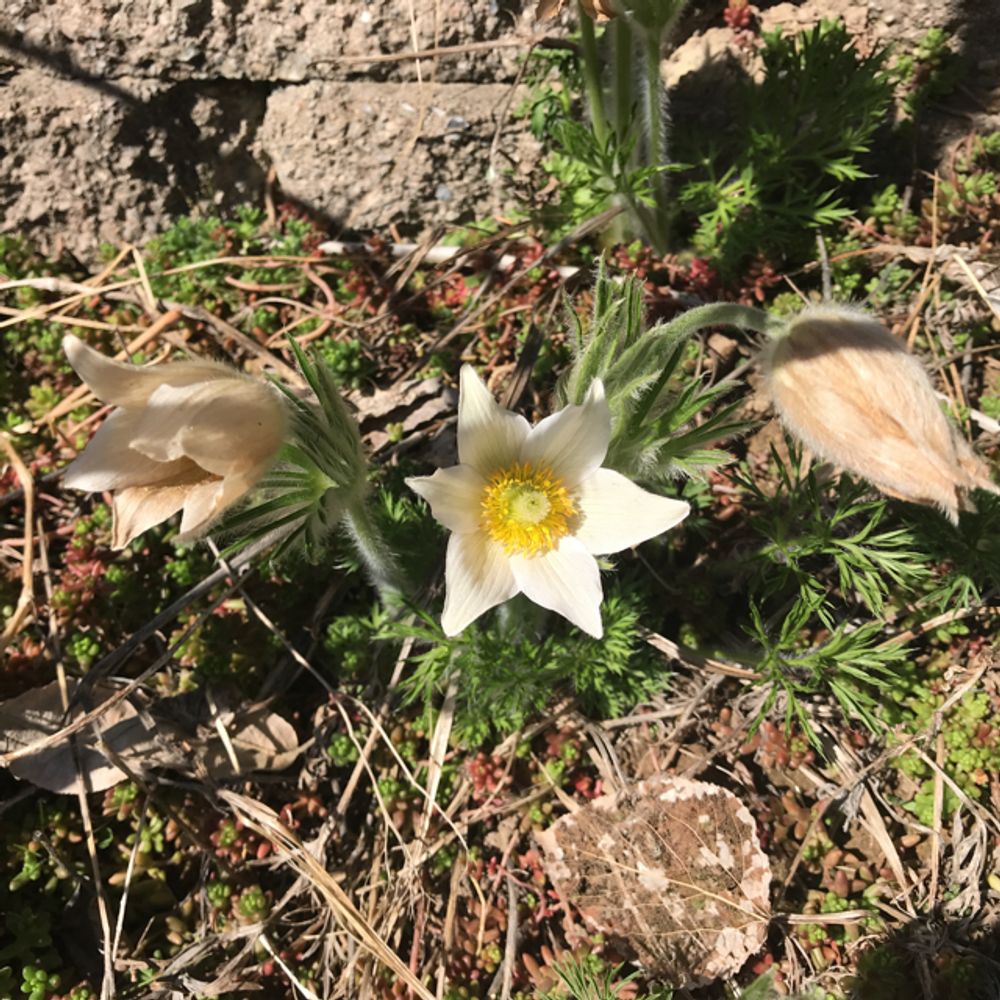
Pulsatilla alpina is a herbaceous perennial flowering plant species that belongs to the family Ranunculaceae. It is native to the mountain regions of Europe and Asia. The plant has a basal rosette of leaves with hairy stems that grow up to 20 cm tall. The flowers are large and showy, with purple or blue petals and yellow centers. After flowering, the plant produces feathery seed heads that are dispersed by the wind.
Plant Care Instructions
Outdoor Size Range
12-18 inches (30-45 cm)
Light Requirements
Pulsatilla alpina thrives in full sun to partial shade. It requires at least 6 hours of direct sunlight per day.
Humidity Needs
Pulsatilla alpina prefers low to moderate humidity levels.
Fertilizing Schedule
The plant does not require regular fertilization, but a light application of a balanced fertilizer in the spring can promote healthy growth.
Pruning Guidelines
Pulsatilla alpina does not require pruning, but deadheading spent flowers can encourage more blooms.
Common Pests and Diseases
The plant is generally pest and disease-free, but may be susceptible to fungal diseases in humid conditions.
Indoor Size Range
6-12 inches (15-30 cm)
Watering Schedule
The plant prefers moist, well-draining soil. It should be watered regularly, but avoid overwatering as it can cause root rot.
Temperature Range
The plant can tolerate a wide range of temperatures, but prefers cooler temperatures between 50-70°F (10-21°C).
Growing Season
The plant blooms in the spring and early summer.
Growing Difficulty Level
Pulsatilla alpina is considered moderately difficult to grow. It requires specific soil and light conditions to thrive.
USDA Hardiness Zones
Pulsatilla alpina is hardy in USDA zones 3-7.
Did You Know?
In folklore, Pulsatilla alpina is believed to have magical properties and was used in love potions and to ward off evil spirits.
