Special Web Offer - Get 50% OFF!
Grab Your Deal Now
PlantSnap
Plant Care
Shaving brush tree
(Pseudobombax grandiflorum)
Also Known As
Shaving brush tree, Silk cotton tree, Bombax tree, Grandiflora pseudobombax
About This Plant
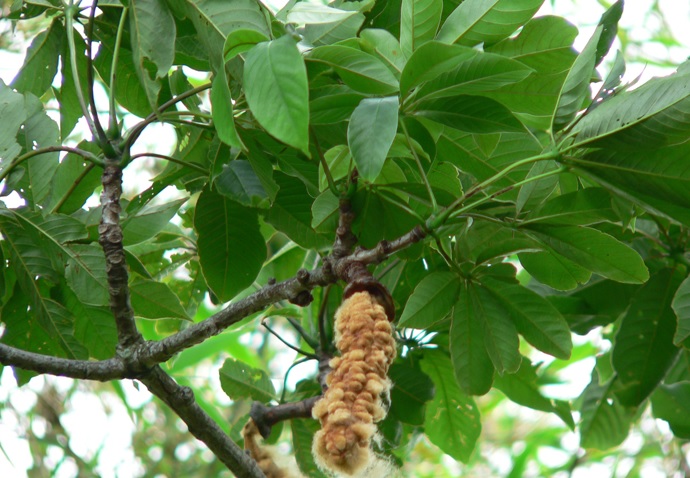
Pseudobombax grandiflorum, commonly known as the Shaving Brush Tree, is a species of deciduous tree in the Malvaceae family. It is native to Central and South America, including Brazil, Colombia, and Venezuela. The tree can grow up to 25 meters tall, with a trunk diameter of up to 1 meter. The bark is smooth and gray, and the leaves are large and palmate. The flowers are large and showy, with bright red petals and yellow stamens. The fruit is a woody capsule filled with seeds surrounded by cotton-like fibers.
Plant Care Instructions
Outdoor Size Range
50 - 80 feet (15 - 24 meters) tall and 30 - 40 feet (9 - 12 meters) wide.
Light Requirements
The Shaving Brush Tree requires full sun to partial shade. It prefers bright, indirect light.
Humidity Needs
The tree prefers moderate to high humidity levels. Mist the leaves regularly during dry periods.
Fertilizing Schedule
Fertilize the tree once a month during the growing season with a balanced fertilizer. Do not fertilize during the winter months.
Pruning Guidelines
Prune the tree in the late winter or early spring to remove dead or damaged branches. The Shaving Brush Tree can also be pruned to control its size and shape.
Common Pests and Diseases
The Shaving Brush Tree is relatively pest-resistant, but it can be susceptible to mealybugs, scale insects, and spider mites. Treat any infestations with a horticultural oil or insecticidal soap.
Indoor Size Range
Not suitable for indoor cultivation.
Watering Schedule
Water the tree regularly, keeping the soil moist but not waterlogged. Reduce watering in the winter months.
Temperature Range
The Shaving Brush Tree prefers warm temperatures between 60-85°F (16-29°C). It is not frost-tolerant.
Growing Season
The growing season for the Shaving Brush Tree is from spring to fall.
Growing Difficulty Level
The Shaving Brush Tree is moderately difficult to grow. It requires specific growing conditions and may be susceptible to pests and diseases.
USDA Hardiness Zones
The Shaving Brush Tree is hardy in USDA zones 10-11.
Did You Know?
The cotton-like fibers surrounding the seeds of the Shaving Brush Tree were traditionally used to stuff pillows and cushions in South America.