Special Web Offer - Get 50% OFF!
Grab Your Deal Now
PlantSnap
Plant Care
Yoshino cherry
(Prunus yedoensis)
Also Known As
Yoshino cherry, Japanese cherry, Tokyo cherry
About This Plant
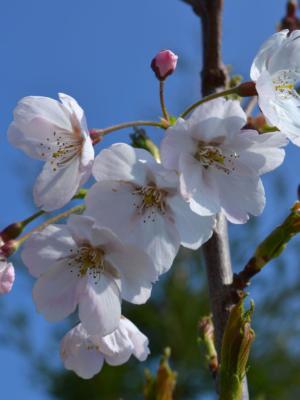
Prunus yedoensis is a deciduous tree that typically grows 33 to 50 feet (10 to 15 meters) tall with a spread of 20 to 30 feet (6 to 9 meters). It has a vase-shaped growth habit with a short trunk and a broad, rounded crown. The bark is smooth and grayish-brown, with prominent horizontal lenticels. The leaves are alternate, simple, ovate, 2 to 4 inches (5 to 10 centimeters) long, with a serrated margin and a pointed tip. They emerge bronze in the spring, turn dark green in the summer, and yellow, orange, or red in the fall. The flowers are pink or white, 1 to 1.5 inches (2.5 to 4 centimeters) in diameter, with five petals, and they bloom in early spring before the leaves emerge. The fruit is a drupe, 0.4 to 0.6 inches (1 to 1.5 centimeters) in diameter, with a fleshy mesocarp and a hard endocarp enclosing a single seed.
Plant Care Instructions
Outdoor Size Range
33 to 50 feet (10 to 15 meters) tall with a spread of 20 to 30 feet (6 to 9 meters)
Light Requirements
Yoshino cherry prefers full sun to partial shade. It requires at least 6 hours of direct sunlight per day to bloom properly. In hot climates, it benefits from some afternoon shade to prevent sunscald.
Humidity Needs
Yoshino cherry prefers moderate humidity levels, around 40 to 60 percent. It can tolerate dry air but may benefit from occasional misting in hot, dry weather.
Fertilizing Schedule
Yoshino cherry does not require much fertilizer. A balanced, slow-release fertilizer can be applied in early spring, before the leaves emerge. Avoid high-nitrogen fertilizers, which can promote leafy growth at the expense of flowers. Excessive fertilizer can also cause root burn and other problems.
Pruning Guidelines
Yoshino cherry requires minimal pruning. Dead, diseased, or damaged branches can be removed at any time. Light shaping can be done in late winter or early spring, before the buds start to swell. Avoid heavy pruning, which can stimulate excessive growth and reduce flowering.
Common Pests and Diseases
Yoshino cherry is susceptible to various pests and diseases, including aphids, spider mites, scale insects, borers, cankers, and root rot. Regular inspection and treatment with appropriate pesticides and fungicides can help prevent or control these problems.
Indoor Size Range
N/A
Watering Schedule
Yoshino cherry has average water needs and prefers well-drained soil. It should be watered deeply and regularly, especially during the first growing season, to establish a deep, extensive root system. Once established, it can tolerate some drought.
Temperature Range
Yoshino cherry is hardy in USDA zones 5 to 8. It prefers cooler temperatures and can suffer from heat stress in hot, dry weather. It can tolerate occasional frost and snow but may be damaged by late frosts that occur after the buds have started to open.
Growing Season
Yoshino cherry blooms in early spring, typically in March or April, depending on the climate. The flowers last for about two weeks before falling off. The leaves emerge shortly after the flowers and turn yellow, orange, or red in the fall. The fruit ripens in late summer to early fall.
Growing Difficulty Level
Yoshino cherry is moderately easy to grow, but it requires specific growing conditions, such as full sun, well-drained soil, and moderate humidity. It also requires some maintenance, such as watering, fertilizing, and occasional pruning. However, its spectacular spring bloom and attractive fall color make it a popular ornamental tree.
USDA Hardiness Zones
5 to 8
Did You Know?
Yoshino cherry is the most widely planted cherry tree in the world, especially in temperate regions. It is also the official flower of Washington D.C., where thousands of trees were gifted by Japan in 1912 as a symbol of friendship between the two nations.
