Special Web Offer - Get 50% OFF!
Grab Your Deal Now
PlantSnap
Plant Care
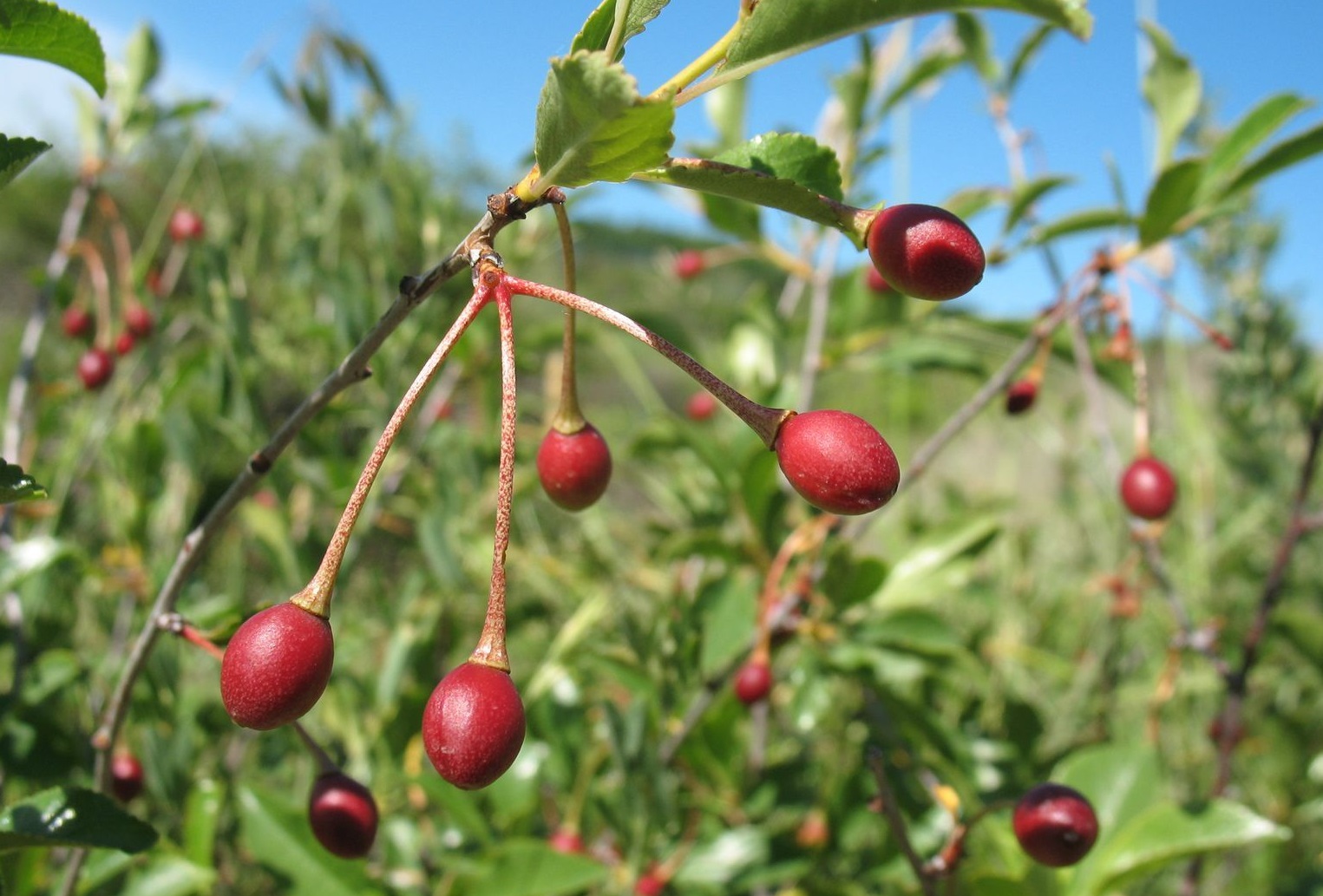
European dwarf cherry
(Prunus fruticosa)
Also Known As
European dwarf cherry, Bitter cherry, Wild cherry, Almond cherry, Dwarf cherry
About This Plant
Prunus fruticosa is a deciduous shrub that is native to Europe and Asia. It produces attractive pink or white flowers in early spring, followed by small red or yellow fruits in summer. The leaves are green and oval-shaped, turning yellow in the fall before dropping. It is commonly used as an ornamental shrub in gardens and parks.
Plant Care Instructions
Outdoor Size Range
3-6 feet (0.9-1.8 meters) tall and wide
Light Requirements
Prunus fruticosa requires full sun to partial shade. It prefers at least 6 hours of direct sunlight per day.
Humidity Needs
It prefers moderate humidity levels, but can tolerate drier air.
Fertilizing Schedule
It requires fertilization once a year in the spring. A balanced fertilizer with equal amounts of nitrogen, phosphorus, and potassium is recommended.
Pruning Guidelines
It requires regular pruning to maintain its shape and promote healthy growth. Pruning should be done in the late winter or early spring before new growth appears.
Common Pests and Diseases
Common pests include aphids, scale insects, and spider mites. Diseases such as brown rot and powdery mildew can also affect this plant.
Indoor Size Range
Not suitable for indoor growth
Watering Schedule
It requires regular watering, especially during the growing season. The soil should be kept moist but not waterlogged.
Temperature Range
It can tolerate a wide range of temperatures, but prefers cool to moderate temperatures. It can tolerate frost and cold temperatures down to -20°F (-29°C).
Growing Season
The growing season for Prunus fruticosa is from early spring to late fall.
Growing Difficulty Level
Prunus fruticosa is relatively easy to grow and maintain.
USDA Hardiness Zones
USDA hardiness zones 3-7
Did You Know?
Prunus fruticosa is also known as the 'Dwarf Russian Almond' due to its origins in Russia and its almond-scented flowers.
