Special Web Offer - Get 50% OFF!
Grab Your Deal Now
PlantSnap
Plant Care
Almond
(Prunus dulcis)
Also Known As
Almond, Sweet almond
About This Plant
Prunus dulcis, commonly known as almond, is a species of tree native to the Middle East and South Asia. It is a deciduous tree that can grow up to 33 feet (10 meters) tall and has a trunk with a diameter of up to 16 inches (40 cm). The leaves are serrated and can grow up to 5 inches (12.7 cm) long.
Plant Care Instructions
Outdoor Size Range
Up to 33 feet (10 meters) tall and has a trunk with a diameter of up to 16 inches (40 cm)
Light Requirements
Almonds require full sun to grow and produce fruit. They need at least 6 hours of direct sunlight per day.
Humidity Needs
Almonds prefer low humidity levels. High humidity can lead to fungal diseases and poor nut quality.
Fertilizing Schedule
Almonds require regular fertilization to maintain healthy growth and fruit production. A balanced fertilizer with a ratio of 10-10-10 is recommended. Fertilize in early spring before new growth appears and again in mid-summer.
Pruning Guidelines
Almonds require regular pruning to maintain their shape and promote healthy growth. Prune in late winter or early spring before new growth appears. Remove any dead or diseased wood and thin out crowded branches.
Common Pests and Diseases
Common pests that affect almond trees include aphids, mites, and scale insects. Diseases that affect almond trees include powdery mildew, leaf spot, and canker.
Indoor Size Range
N/A
Watering Schedule
Almonds require regular watering, especially during the growing season. The soil should be kept moist but not waterlogged. Water deeply once a week during the growing season and reduce watering during the dormant season.
Temperature Range
Almonds require a mild climate with warm summers and mild winters. They can tolerate temperatures as low as 28°F (-2°C) but are susceptible to frost damage during bloom.
Growing Season
The growing season for almonds is from late winter to early spring when the tree is dormant. The tree begins to bloom in mid to late February and the nuts mature in late summer to early fall.
Growing Difficulty Level
Almonds can be moderately difficult to grow due to their specific climate and soil requirements. However, with proper care and maintenance, they can be a rewarding crop to grow.
USDA Hardiness Zones
Almonds are hardy in USDA zones 7-9.
Did You Know?
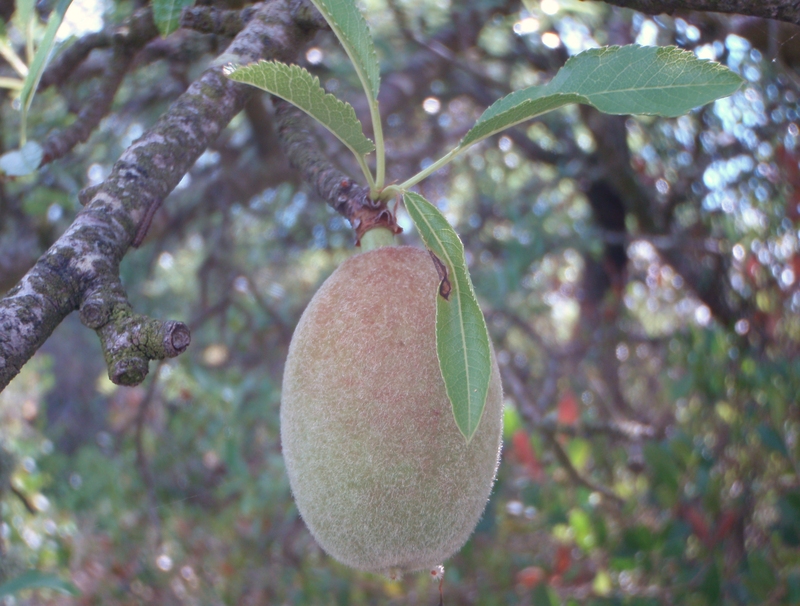
Almonds are not true nuts but are actually the seeds of the almond fruit. The almond fruit is a drupe, similar to a peach or plum, and the seed is the part that is consumed.
